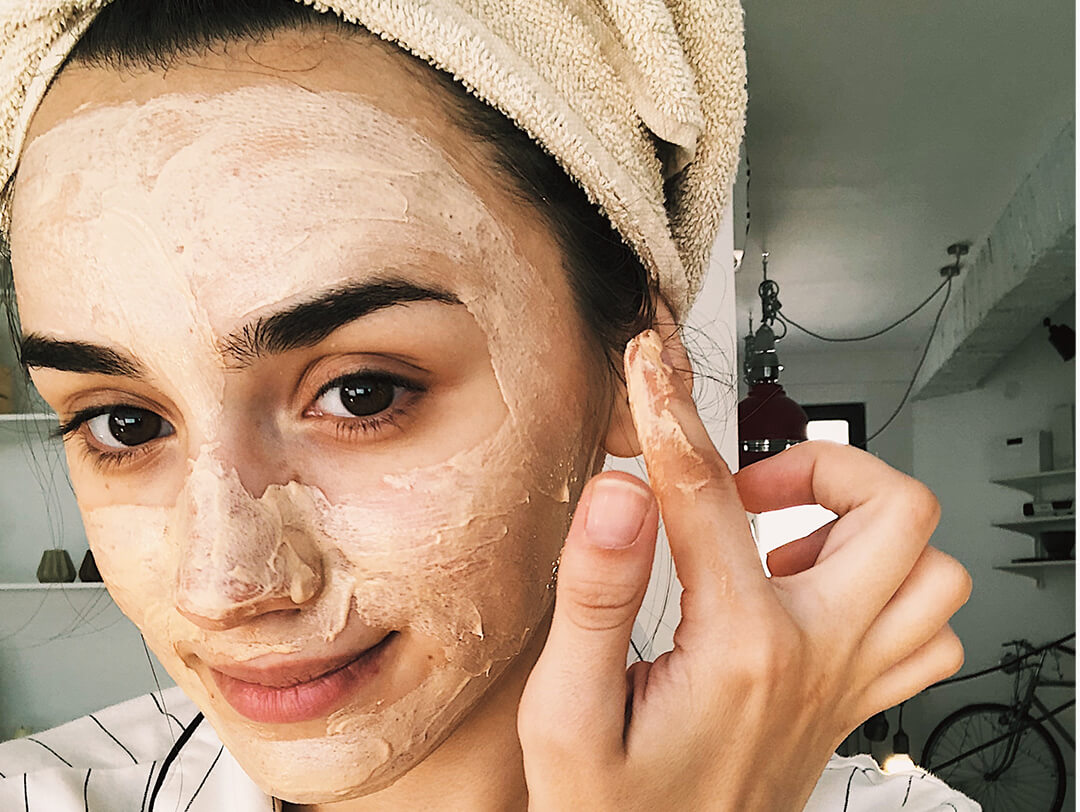
In today’s fast-paced world, taking care of your skin doesn’t always require expensive salon treatments. With the right ingredients from your kitchen, you can create effective and nourishing homemade face masks tailored to your skin type.
If you’re looking for the best face mask at home in Pakistan, this comprehensive guide will walk you through 15 powerful DIY skincare recipes that are natural, affordable, and highly effective.
Why Choose Homemade Face Masks?
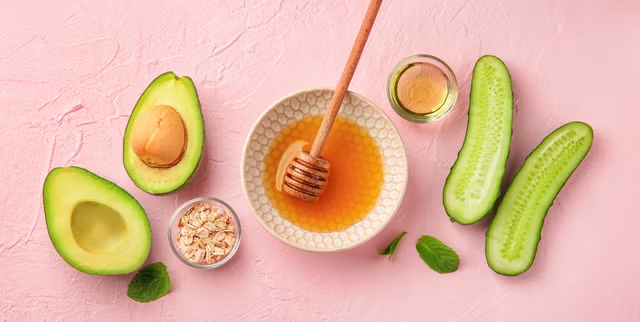
Homemade face masks are gaining popularity for good reason:
- Free from harmful chemicals
- Budget-friendly
- Easy to prepare
- Customizable for every skin type
Using natural face masks regularly can improve your skin texture, brighten your complexion, and address common concerns like acne, dryness, and dullness.
How to Choose the Right Face Mask for Your Skin Type
Before applying any DIY skincare remedy, it’s essential to understand your skin type:
- Oily Skin: Prone to acne and excess sebum
- Dry Skin: Feels tight, flaky, or rough
- Combination Skin: Oily T-zone with dry cheeks
- Sensitive Skin: Easily irritated or लाल (red)
- Normal Skin: Balanced and clear
Choosing the right ingredients will maximize the benefits of your face mask at home in Pakistan.
15 Best Homemade Face Masks for Every Skin Type
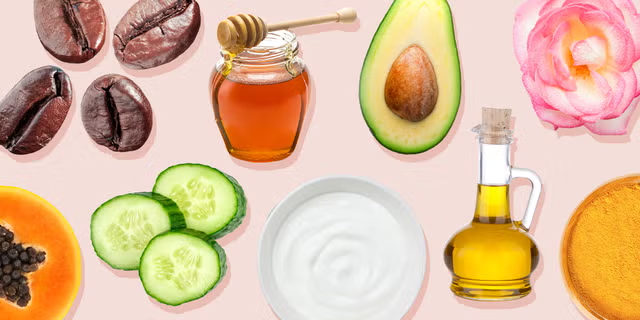
- Honey & Lemon Mask (For Oily Skin)
Ingredients:
- 1 tablespoon honey
- Few drops of lemon juice
Benefits:
- Controls oil
- Brightens skin
- Fights acne
This is one of the most effective natural face masks for oily skin.
- Yogurt & Turmeric Mask (For Glowing Skin)
Ingredients:
- 2 tablespoons yogurt
- A pinch of turmeric
Benefits:
- Adds glow
- Reduces pigmentation
- Soothes skin
A classic DIY skincare remedy widely used in Pakistan.
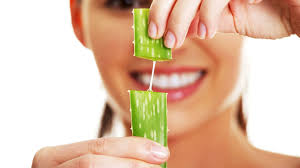
- Aloe Vera Mask (For Sensitive Skin)
Ingredients:
- Fresh aloe vera gel
Benefits:
- Calms irritation
- Hydrates skin
- Reduces redness
Perfect for those with delicate skin.
- Banana & Honey Mask (For Dry Skin)
Ingredients:
- 1 ripe banana
- 1 tablespoon honey
Benefits:
- Deep hydration
- Softens skin
- Repairs dryness
Ideal face mask at home in Pakistan for winter skincare.
- Multani Mitti Mask (For Acne-Prone Skin)
Ingredients:
- 2 tablespoons Multani mitti
- Rose water
Benefits:
- Absorbs excess oil
- Clears pores
- Prevents breakouts
A staple in natural face masks for oily and acne-prone skin.
- Oatmeal & Milk Mask (For Exfoliation)
Ingredients:
- 2 tablespoons oatmeal
- Milk
Benefits:
- Removes dead skin
- Brightens complexion
- Smoothens texture
Great addition to your DIY skincare routine.
- Cucumber & Rose Water Mask (For Cooling Effect)
Ingredients:
- Cucumber juice
- Rose water
Benefits:
- Refreshes skin
- Reduces puffiness
- Hydrates deeply
Perfect for hot weather in Pakistan.
- Egg White Mask (For Tightening Skin)
Ingredients:
- 1 egg white
Benefits:
- Tightens pores
- Firms skin
- Reduces oil
Use weekly for visible results.
- Papaya Mask (For Brightening)
Ingredients:
- Mashed papaya
Benefits:
- Removes tan
- Enhances glow
- Improves texture
One of the best natural face masks for dull skin.
- Besan & Milk Mask (For Even Skin Tone)
Ingredients:
- 2 tablespoons gram flour (besan)
- Milk
Benefits:
- Lightens skin
- Removes impurities
- Smooths complexion
A traditional face mask at home in Pakistan.
- Avocado Mask (For Deep Nourishment)
Ingredients:
- Mashed avocado
Benefits:
- Rich in healthy fats
- Moisturizes deeply
- Repairs skin barrier
Ideal for dry and aging skin.
- Tomato Mask (For Tan Removal)
Ingredients:
- Tomato pulp
Benefits:
- Reduces sun tan
- Controls oil
- Brightens skin
Simple yet powerful DIY skincare solution.
- Coffee & Honey Mask (For Glow Boost)
Ingredients:
- 1 tablespoon coffee
- 1 tablespoon honey
Benefits:
- Exfoliates skin
- Boosts circulation
- Adds instant glow
Trending among natural face masks lovers.
- Rice Flour Mask (For Smooth Skin)
Ingredients:
- Rice flour
- Milk or water
Benefits:
- Tightens pores
- Brightens skin
- Reduces dullness
Popular in Asian DIY skincare routines.
- Neem & Turmeric Mask (For Acne Control)
Ingredients:
- Neem powder
- Turmeric
- Water
Benefits:
- Fights bacteria
- Clears acne
- Purifies skin
Highly effective for acne-prone skin types.
How Often Should You Use Homemade Face Masks?
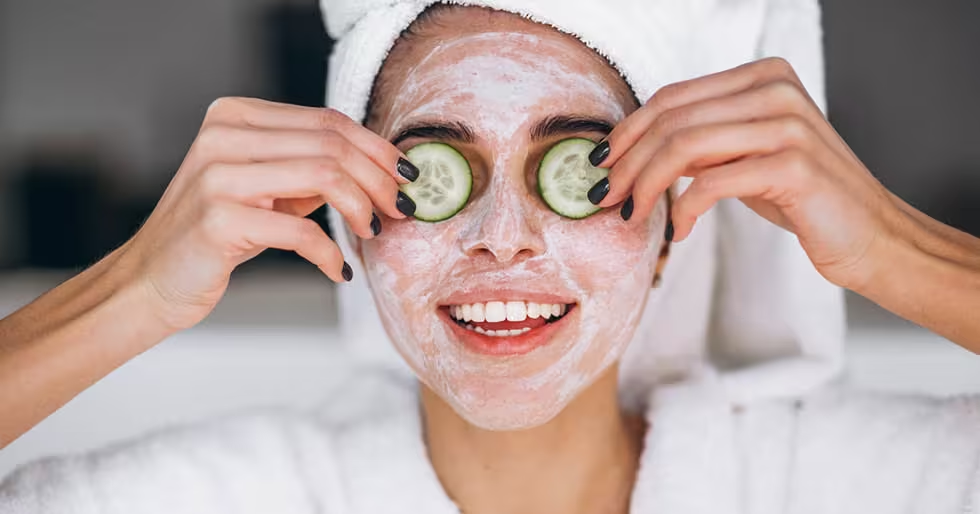
For best results:
- Oily skin: 2–3 times a week
- Dry skin: 1–2 times a week
- Sensitive skin: Once a week
Consistency is key when using natural face masks.
Tips for Best Results
- Always cleanse your face before applying a mask
- Do a patch test before trying new ingredients
- Use fresh, organic ingredients
- Moisturize after applying the mask
These small steps can make your DIY skincare routine more effective.
Internal Skincare Routine Tip
For better results, combine these face masks with a proper skincare routine including cleansing, toning, and moisturizing. You can also explore other guides on lip care, hydration, and natural beauty remedies to build a complete skincare regimen.
Common Mistakes to Avoid
- Using expired ingredients
- Overusing masks
- Mixing too many ingredients
- Ignoring your skin type
Avoiding these mistakes ensures safe and effective results.
Benefits of DIY Skincare in Pakistan
DIY skincare is especially popular in Pakistan because:
- Ingredients are easily available
- Cost-effective compared to salons
- Rooted in traditional beauty practices
Using a face mask at home in Pakistan is both practical and beneficial.
Final Thoughts
Homemade face masks are a powerful way to achieve healthy, glowing skin without spending a fortune. Whether your skin is oily, dry, sensitive, or combination, there’s a perfect DIY skincare solution waiting for you in your kitchen.
By consistently using these natural face masks, you can transform your skin safely and naturally. Remember, skincare is not about quick fixes—it’s about building healthy habits.
FAQs
- Are homemade face masks safe for all skin types?
Yes, as long as you choose ingredients suitable for your skin type and perform a patch test. - Which face mask is best for glowing skin?
Yogurt and turmeric mask is highly effective for achieving a natural glow. - Can I use face masks daily?
No, overuse can irritate your skin. Stick to 1–3 times per week. - What is the best face mask at home in Pakistan?
Multani mitti, besan, and aloe vera masks are among the most popular and effective. - How long should I leave a face mask on?
Typically 10–20 minutes is enough for most natural face masks.