
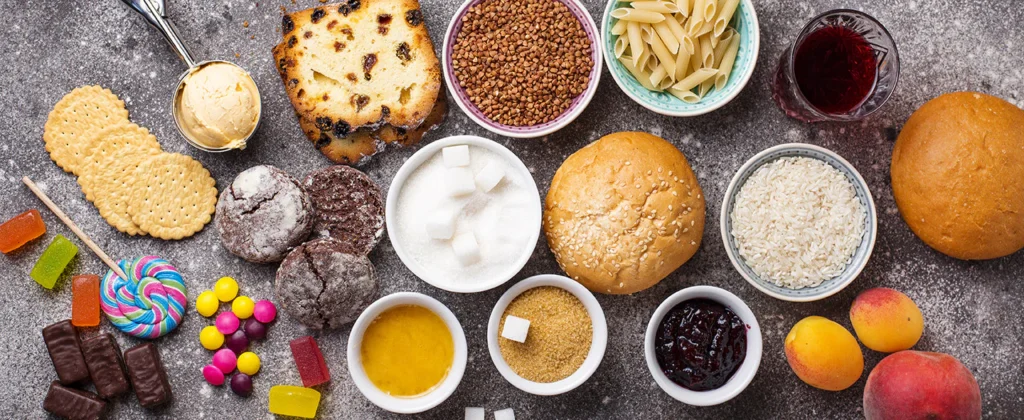
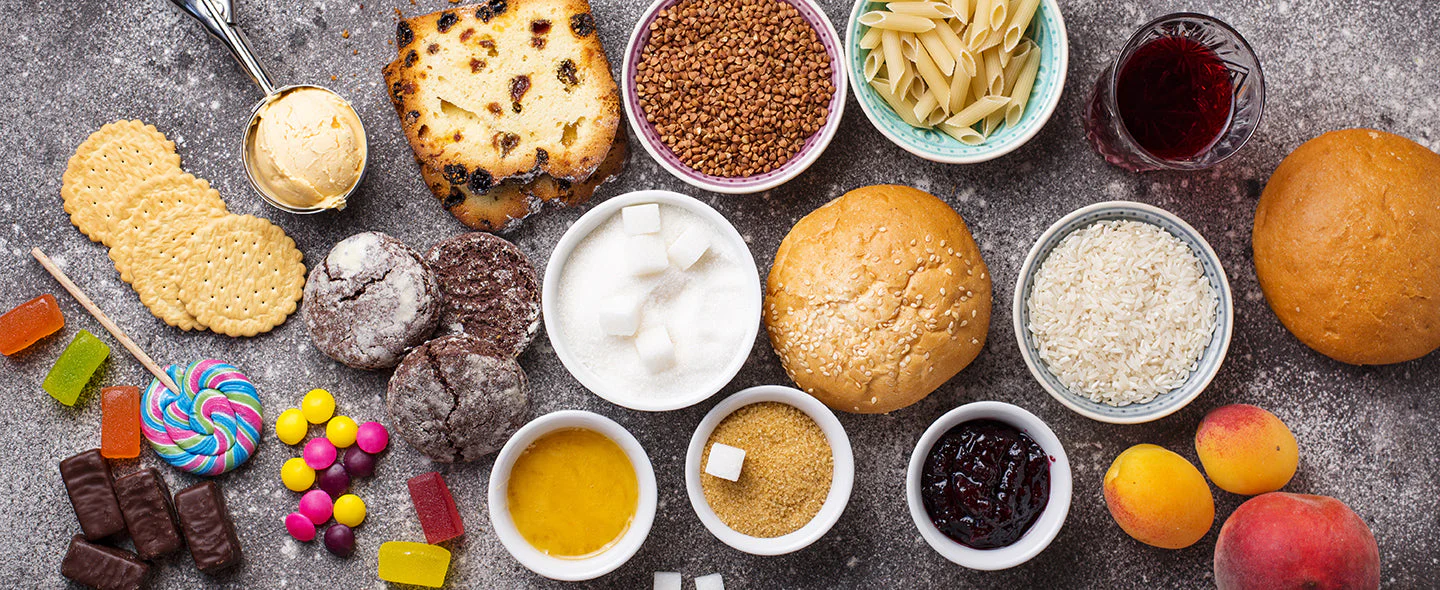
Trying to lose weight but not seeing results? You’re not alone. Many people in Pakistan struggle with weight loss not because they aren’t trying, but because they’re unknowingly making critical diet mistakes.
From traditional meals to modern junk food habits, your daily eating routine may be filled with hidden calorie traps. The truth is, even “home-cooked” food isn’t always healthy when it comes to fat loss.
In this blog, we’ll uncover the top 12 foods to avoid for weight loss in Pakistan, along with common dieting mistakes that might be silently sabotaging your progress.
Why Your Diet Might Be Failing
Before diving into the unhealthy foods list, it’s important to understand one thing: weight loss is not just about eating less it’s about eating right.
Many people fall into these traps:
- Overeating traditional foods
- Consuming too many refined carbs
- Ignoring portion control
- Drinking hidden calories
Let’s fix that.
- White Roti (Maida or Refined Flour Roti)
One of the biggest weight loss mistakes in Pakistan is relying heavily on white flour (maida). While soft and tasty, it’s highly processed and low in fiber.
Why to avoid:
- Causes blood sugar spikes
- Leads to fat storage
- Keeps you hungry longer
Better alternative:
Switch to whole wheat (atta) roti or multigrain options.
- Fried Parathas
Desi breakfasts often include parathas soaked in oil or ghee. While delicious, they are calorie bombs.
The problem:
- High in saturated fats
- Extremely calorie-dense
- Slows down metabolism
Tip:
Opt for dry roti or use minimal oil when cooking.
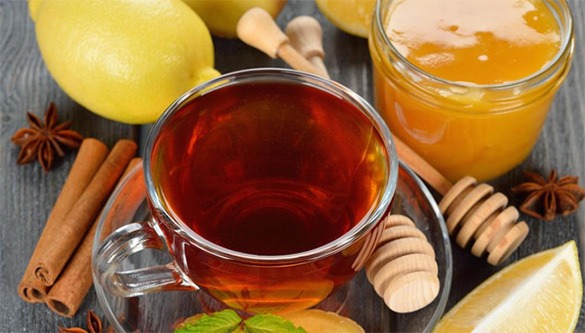
- Sugary Chai (Tea with Excess Sugar)
Chai is a daily essential in Pakistan—but it can be a hidden enemy for your weight loss goals.
What goes wrong:
- Multiple cups per day = high sugar intake
- Adds empty calories
- Triggers cravings
Fix:
Reduce sugar gradually or switch to green tea.
- Bakery Items (Cakes, Biscuits, Patties)
Bakery foods are everywhere—and dangerously addictive.
Why they’re harmful:
- Loaded with trans fats
- High sugar content
- Low nutritional value
Common mistake:
Thinking “just one biscuit” won’t hurt—it adds up quickly.
- Deep-Fried Snacks (Samosas, Pakoras)
Street food culture makes it hard to avoid fried snacks.
The reality:
- High in unhealthy oils
- Extremely calorie-dense
- Causes bloating and fat gain
Smart choice:
Bake or air-fry instead of deep frying.
- Sugary Drinks (Soft Drinks & Packaged Juices)
One of the biggest foods to avoid dieting is sugary beverages.
Why they’re dangerous:
- Liquid calories don’t fill you up
- High sugar = fat storage
- Leads to insulin spikes
Replace with:
- Water
- Lemon water
- Fresh homemade juices (no sugar)
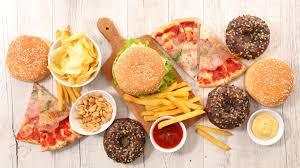
- Fast Food (Burgers, Pizza, Fries)
Fast food consumption is rising rapidly in Pakistan—and so is obesity.
What makes it worse:
- High calories + low nutrients
- Contains unhealthy fats
- Highly addictive
Weight loss tip:
Limit fast food to occasional treats—not daily meals.
- Overcooked Rice (White Rice in Large Portions)
Rice is a staple in many Pakistani homes, but portion size matters.
The issue:
- High glycemic index
- Easily overeaten
- Stored as fat if not burned
Better approach:
- Control portions
- Switch to brown rice occasionally
- Processed Foods (Nuggets, Frozen Items)
Convenience foods are becoming more popular—but they’re harming your health.
Why avoid:
- High sodium levels
- Preservatives and additives
- Low nutritional value
- Excessive Ghee and Oil
Traditional cooking often uses large amounts of oil or ghee.
The problem:
- Adds unnecessary calories
- Leads to fat accumulation
- Increases risk of heart issues
Tip:
Use measured quantities—don’t pour freely.
- Late Night Heavy Meals
Eating heavy meals late at night is a major weight loss mistake in Pakistan.
Why it matters:
- Slows digestion
- Increases fat storage
- Disrupts sleep
Solution:
Eat dinner at least 2–3 hours before sleeping.
- “Diet” Foods That Aren’t Really Healthy
Many people fall for misleading “low-fat” or “diet” labels.
Hidden truth:
- Often high in sugar
- Processed ingredients
- Not truly beneficial
Advice:
Always read labels before buying.
Common Weight Loss Mistakes Pakistanis Must Avoid
Beyond specific foods, here are habits that ruin progress:
- Skipping Meals
Leads to overeating later and slows metabolism.
- Not Drinking Enough Water
Dehydration can mimic hunger.
- Lack of Protein Intake
Protein helps in fat loss and muscle building.
- Ignoring Physical Activity
Diet alone isn’t enough.
Healthy Eating Tips for Sustainable Weight Loss
To succeed in your journey, follow these practical tips:
- Eat whole, unprocessed foods
- Increase vegetable intake
- Choose lean proteins
- Control portion sizes
- Stay consistent
Final Thoughts: Fix These Mistakes to See Real Results
Weight loss doesn’t require extreme dieting—it requires awareness.
By avoiding these foods to avoid for weight loss in Pakistan, you can dramatically improve your results without starving yourself.
Remember, small daily changes lead to big long-term transformations.
Quick Recap (Save This!)
Avoid these foods:
- White flour products
- Fried foods
- Sugary drinks
- Fast food
- Excess oil
- Processed items
Focus on:
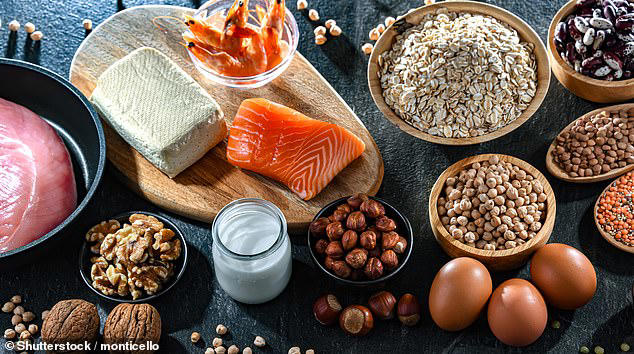
- Whole foods
- Portion control
- Balanced meals
If you’ve been struggling with weight loss, chances are these common mistakes are holding you back. Fix them today—and start seeing real results sooner than you think.
Now ask yourself: Which of these foods are you eating daily without realizing the damage?
Your transformation starts with that answer.
Frequently Asked Questions (FAQs)
1. What foods should I completely avoid for weight loss in Pakistan?
You should avoid foods high in sugar, refined flour (maida), deep-fried items, sugary drinks, and processed foods. These are the most common contributors to weight gain and poor metabolism.
2. Can I eat rice while trying to lose weight?
Yes, but in moderation. Portion control is key. Try switching to brown rice occasionally and avoid overeating white rice, especially at night.
3. Is desi food bad for weight loss?
Not all desi food is unhealthy. The issue lies in cooking methods—excess oil, ghee, and frying make traditional meals high in calories. Opt for grilled, steamed, or lightly cooked options.
4. How many cups of chai are okay during dieting?
Ideally, limit chai to 1–2 cups per day with little or no sugar. Too much sugary tea can slow down your weight loss progress.
5. Are “diet” foods actually helpful for losing weight?
Not always. Many “diet” or “low-fat” products contain hidden sugars and additives. Always check labels before consuming them.
6. What is the biggest weight loss mistake in Pakistan?
One of the biggest mistakes is consuming excessive oil, fried foods, and sugary drinks while assuming home-cooked meals are always healthy.
7. Can I still eat fast food occasionally?
Yes, but it should be limited to once in a while. Regular consumption can significantly slow down your weight loss journey.
8. What should I drink instead of sugary beverages?
Water is the best option. You can also try lemon water, green tea, or detox drinks without added sugar.
9. Does skipping meals help in weight loss?
No, skipping meals often leads to overeating later and slows metabolism. It’s better to eat balanced meals throughout the day.
10. How long does it take to see weight loss results?
With consistency and proper diet changes, you can start noticing results within 2–4 weeks.
Final Thoughts: Fix These Mistakes to See Real Results
Weight loss doesn’t require extreme dieting—it requires awareness.
By avoiding these foods to avoid for weight loss in Pakistan, you can dramatically improve your results without starving yourself.
Remember, small daily changes lead to big long-term transformations.

weight loss best article…