Intermittent fasting has become one of the most talked-about health and fitness trends in recent years and for good reason. From celebrities and fitness influencers to nutrition experts, everyone seems to be discussing the benefits of intermittent fasting for weight loss, fat burning, and overall health improvement.
Unlike traditional diets that focus heavily on what you eat, intermittent fasting focuses on when you eat. This simple shift in eating patterns has helped millions of people lose weight, improve energy levels, and develop healthier eating habits without following overly restrictive meal plans.
If you’re new to fasting and wondering how to begin safely and effectively, this complete beginner guide will walk you through everything you need to know.
What is Intermittent Fasting?
Intermittent fasting (IF) is an eating pattern that cycles between periods of eating and fasting. Instead of constantly consuming food throughout the day, fasting allows your body to take a break from digestion and use stored fat for energy.
During the fasting window, you either consume no calories or very minimal calories. Once the fasting period ends, you eat your meals within a designated eating window.
The main goal of intermittent fasting is to help regulate insulin levels, support fat burning, and improve metabolic health.
How Does Intermittent Fasting Work?
When you eat food, your body uses glucose (sugar) as its primary source of energy. Any extra energy gets stored as fat.
During fasting periods, insulin levels drop, allowing your body to access stored fat for fuel. This process encourages fat burning and may support healthy weight loss over time.
In simple terms:
- Eating frequently = body burns sugar
- Fasting longer = body burns stored fat
This is why intermittent fasting is widely used for weight loss and body fat reduction.
Benefits of Intermittent Fasting
Intermittent fasting offers more than just weight loss benefits. Here are some scientifically supported advantages:
- Supports Weight Loss
One of the biggest reasons people try intermittent fasting is to lose weight naturally. Fasting can reduce calorie intake and improve fat metabolism, making it easier to maintain a calorie deficit.
- Helps Burn Belly Fat
Studies suggest intermittent fasting may help reduce visceral fat — the dangerous fat stored around organs and the abdomen.
- Improves Insulin Sensitivity
Lower insulin levels can help your body process sugar more effectively, potentially lowering the risk of type 2 diabetes.
- Simplifies Meal Planning
With fewer meals to prepare, intermittent fasting can make healthy eating easier and less stressful.
- May Boost Brain Health
Research indicates fasting may support cognitive function and brain health by reducing inflammation and oxidative stress.
- Can Improve Energy Levels
Many people report feeling mentally sharper and more energetic once their body adapts to fasting.
Most Popular Types of Intermittent Fasting
There are several fasting methods available. Beginners should start with the easiest and most sustainable option.
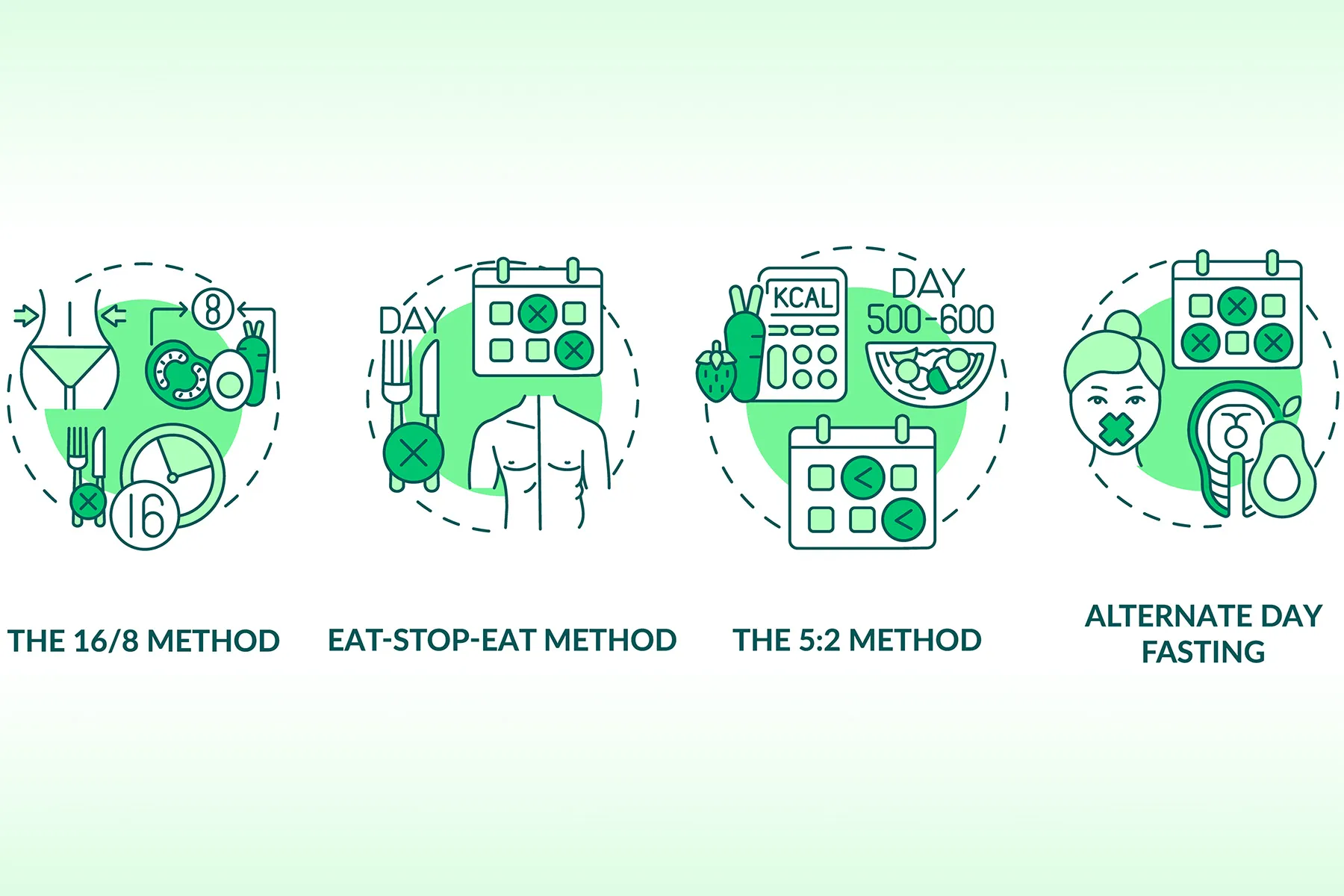
- The 16:8 Method (Best for Beginners)
This is the most popular intermittent fasting schedule.
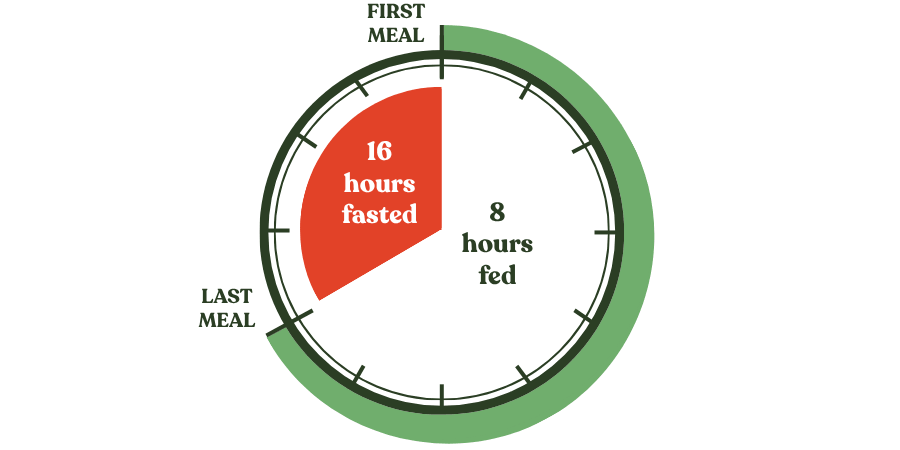
You fast for 16 hours and eat during an 8-hour window.
Example:
- Fast: 8 PM to 12 PM next day
- Eat: 12 PM to 8 PM
This method is beginner-friendly and sustainable for long-term weight loss.
- 12:12 Fasting
A gentler fasting schedule where you fast for 12 hours and eat during 12 hours.
Ideal for complete beginners.
- 5:2 Diet
You eat normally for 5 days and reduce calorie intake significantly on 2 non-consecutive days.
- OMAD (One Meal a Day)
A more advanced fasting method where you consume all calories in one meal daily.
Not recommended for beginners.
- Alternate-Day Fasting
You alternate between fasting days and regular eating days.
This method can be difficult to maintain long term.
Best Intermittent Fasting Schedule for Weight Loss
For most beginners, the 16:8 fasting method works best because it is simple and flexible.
Sample 16:8 Schedule
| Time | Activity |
| 7 AM | Black coffee or water |
| 12 PM | First meal |
| 3 PM | Healthy snack |
| 7 PM | Dinner |
| 8 PM | Start fasting |
The key is consistency. Choose a schedule that fits your lifestyle and stick with it.
What Can You Drink During Fasting?
During the fasting window, you should avoid calories. However, certain drinks are allowed.
Allowed Drinks During Fasting
- Water
- Black coffee
- Green tea
- Herbal tea
- Electrolyte water (without sugar)
Drinks to Avoid
- Soft drinks
- Sugary coffee
- Fruit juice
- Milkshakes
- Alcohol
Staying hydrated is extremely important while fasting.
What Should You Eat While Intermittent Fasting?
Intermittent fasting is not permission to eat unhealthy food all day. Your food choices still matter.
Focus on nutrient-dense whole foods.
Best Foods for Intermittent Fasting
Protein Sources
- Chicken
- Eggs
- Fish
- Greek yogurt
- Lentils
Healthy Fats
- Avocados
- Nuts
- Olive oil
- Seeds
Complex Carbohydrates
- Brown rice
- Oats
- Sweet potatoes
- Quinoa
Vegetables & Fruits
- Spinach
- Broccoli
- Berries
- Apples
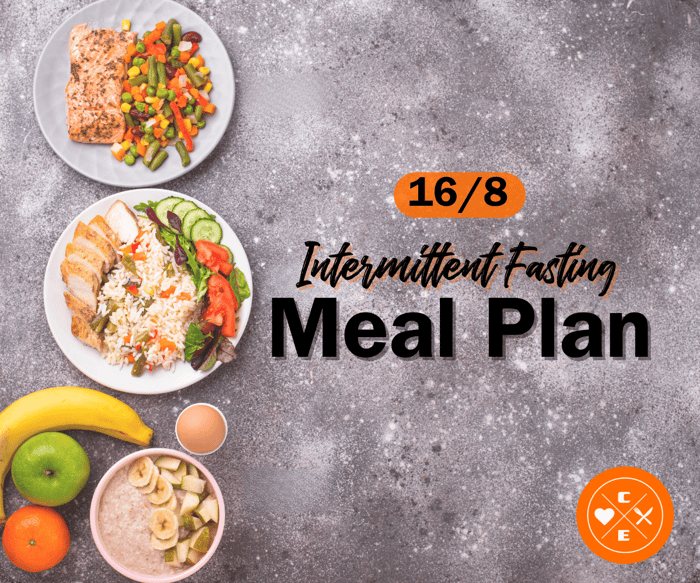
Beginner-Friendly Intermittent Fasting Meal Plan
Lunch
Grilled chicken, brown rice, mixed vegetables, and salad.
Snack
Handful of almonds and green tea.
Dinner
Salmon or lentils with sweet potato and steamed broccoli.
Optional Dessert
Greek yogurt with berries.
This balanced approach helps support fasting for weight loss without nutritional deficiencies.
Common Mistakes Beginners Make
Starting intermittent fasting incorrectly can lead to frustration and poor results.
- Overeating During Eating Windows
Fasting doesn’t work if you consume excessive calories afterward.
- Not Drinking Enough Water
Dehydration can cause headaches, fatigue, and dizziness.
- Starting Too Aggressively
Jumping directly into long fasts may be difficult. Start gradually.
- Eating Processed Foods
Fast food and sugary snacks reduce the benefits of fasting.
- Poor Sleep
Sleep is essential for hormone balance and weight loss.
How Long Does It Take to See Results?
Results vary depending on your lifestyle, diet quality, and activity level.
Many beginners notice:
- Reduced bloating within 1 week
- Improved energy after 2–3 weeks
- Weight loss within 3–6 weeks
Consistency matters more than perfection.
Is Intermittent Fasting Safe?
Intermittent fasting is generally safe for healthy adults. However, certain people should consult a healthcare professional before starting.
People Who Should Avoid Fasting Without Medical Advice
- Pregnant women
- Individuals with eating disorders
- People with diabetes
- Underweight individuals
- Those with certain medical conditions
Always prioritize your health and listen to your body.
Tips for Successful Intermittent Fasting
Start Slowly
Begin with a 12-hour fast before moving to 16 hours.
Stay Busy
Keeping yourself occupied can reduce unnecessary snacking.
Prioritize Protein
Protein helps maintain muscle and keeps you full longer.
Exercise Smartly
Light workouts like walking or strength training pair well with fasting.
Be Consistent
Long-term consistency delivers the best weight loss results.
Intermittent Fasting and Exercise
Many people successfully combine fasting with workouts.
Best Exercises While Fasting
- Walking
- Yoga
- Weight training
- Cycling
- Light cardio
If you feel weak or dizzy during exercise, adjust your fasting schedule.
Does Intermittent Fasting Help Burn Belly Fat?
Research suggests intermittent fasting may help reduce abdominal fat by improving insulin sensitivity and increasing fat oxidation.
However, fasting alone is not magic.
For best results:
- Eat healthy foods
- Stay active
- Sleep properly
- Manage stress
A complete healthy lifestyle is the real key to sustainable weight loss.
Frequently Asked Questions About Intermittent Fasting
Can I Drink Coffee While Fasting?
Yes, black coffee without sugar or milk is generally allowed.
Will Intermittent Fasting Slow My Metabolism?
Short-term fasting does not usually slow metabolism. In some cases, it may temporarily boost it.
Can I Exercise While Fasting?
Yes, many people work out successfully while fasting.
Is Daily Fasting Safe?
For most healthy adults, moderate fasting schedules like 16:8 are considered safe.
What Breaks a Fast?
Foods and drinks containing calories typically break a fast.
Final Thoughts
Intermittent fasting is one of the simplest and most effective approaches for weight management and overall health improvement. Unlike restrictive diets, it focuses on creating healthier eating patterns that many people can maintain long term.
The best part is that you don’t need expensive supplements, complicated meal plans, or extreme restrictions to get started.
If you’re a beginner, start slow, stay hydrated, eat nutritious foods, and remain consistent. Over time, intermittent fasting can become a sustainable lifestyle habit that supports your fitness and wellness goals.
Remember: successful fasting for weight loss is about balance, patience, and healthy choices — not starvation.