
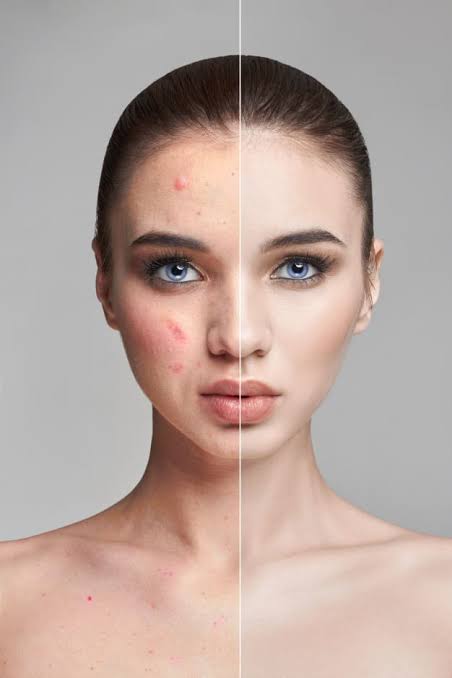
Open Pores vs Acne Scars: Difference Explained
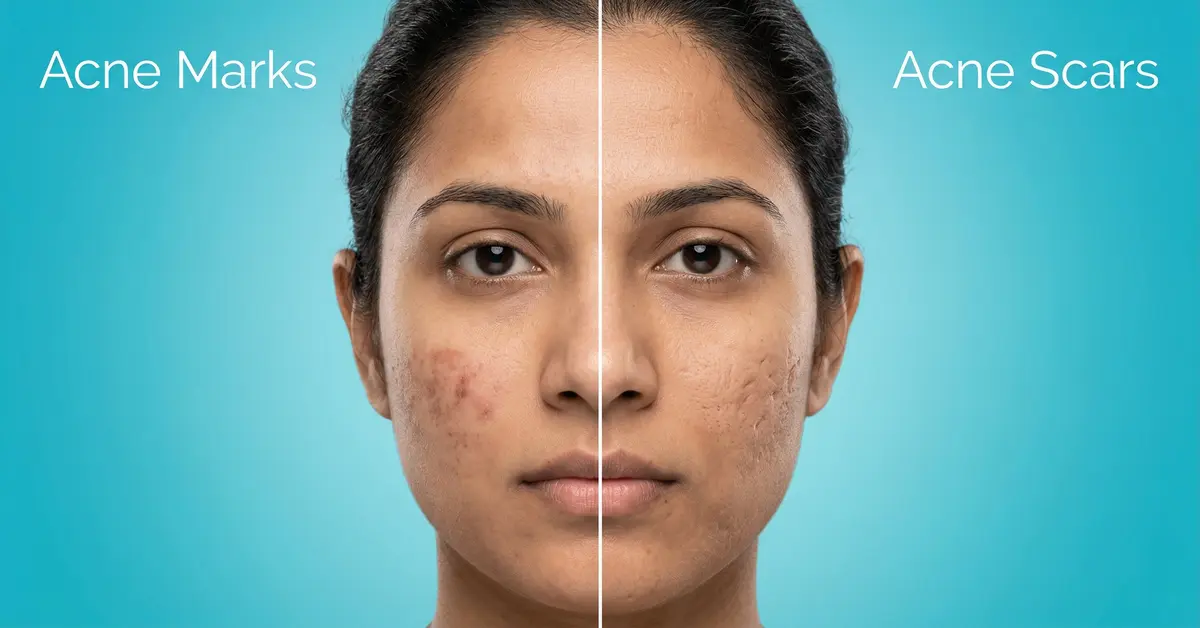
Have you ever looked in the mirror and wondered whether those tiny holes on your face are open pores or acne scars? You’re not alone. Thousands of people search every month for answers because both conditions can make the skin appear rough and uneven.
Although they may look similar at first glance, open pores and acne scars are completely different skin concerns. Understanding the difference is essential because they require different treatments.
In this comprehensive guide, you’ll learn:
- What open pores are
- What acne scars are
- Major differences between them
- Causes
- Best treatments
- Home remedies
- Prevention tips
- Frequently Asked Questions
Let’s dive in.
What Are Open Pores?
Open pores are the visible openings of hair follicles on the skin. Every person has pores, but in some individuals, they become enlarged and more noticeable.
Pores allow:
- Sweat to reach the skin surface
- Sebum (natural oil) to lubricate the skin
- Hair to grow
Large pores are not scars. They are simply enlarged follicle openings.
Common Causes of Open Pores
- Excess oil production
- Oily skin
- Genetics
- Aging
- Sun damage
- Thick skin
- Loss of collagen
- Improper skincare
- Frequent acne breakouts
What Are Acne Scars?
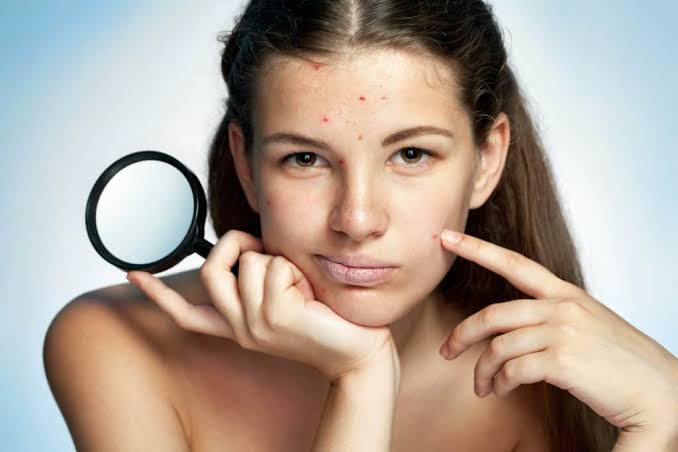
Acne scars are permanent changes in the skin caused after inflamed acne heals.
When acne damages the deeper layers of skin, collagen is either destroyed or produced excessively, leading to scars.
Unlike open pores, acne scars involve actual tissue damage.
Common Causes of Acne Scars
- Severe acne
- Cystic acne
- Picking pimples
- Delayed acne treatment
- Skin inflammation
- Collagen damage
Open Pores vs Acne Scars: Key Differences
| Feature | Open Pores | Acne Scars |
| Cause | Enlarged hair follicles | Skin tissue damage after acne |
| Appearance | Small circular openings | Indented or raised marks |
| Pain | No | No after healing |
| Permanent | Can improve | Often permanent without treatment |
| Texture | Slightly uneven | Deep uneven texture |
| Main Treatment | Oil control & collagen stimulation | Scar resurfacing procedures |
How to Identify Open Pores
You probably have enlarged pores if:
- Tiny round dots are visible
- Mostly on the nose
- Cheeks look textured
- Skin is oily
- Makeup settles into pores
- No deep pits are present
How to Identify Acne Scars
You likely have acne scars if you notice:
- Deep pits
- Rolling depressions
- Box-shaped marks
- Ice-pick holes
- Uneven skin texture
- Previous history of acne
Types of Acne Scars
- Ice Pick Scars
- Narrow
- Deep
- Difficult to treat
- Boxcar Scars
- Round
- Wide
- Sharp edges
- Rolling Scars
- Wave-like appearance
- Soft depressions
- Hypertrophic Scars
- Raised
- Thick
- More common on chest and back
Why Open Pores Are Often Mistaken for Acne Scars
Many people confuse enlarged pores with shallow acne scars because both create uneven texture.
However:
Open pores are uniform and circular.
Acne scars are irregular in shape and depth.
Can Open Pores Turn into Acne Scars?
No.
Open pores do not become acne scars.
However, if acne develops inside enlarged pores and becomes inflamed, the healing process may leave scars.
Best Treatments for Open Pores
- Niacinamide Serum
Niacinamide reduces oil production and improves pore appearance.
Benefits
- Controls sebum
- Smooths skin
- Improves texture
- Strengthens skin barrier
- Salicylic Acid
One of the best ingredients for enlarged pores.
Benefits include:
- Removes oil
- Cleans pores
- Prevents blackheads
- Reduces pore visibility
- Retinol
Retinol boosts collagen production and increases skin renewal.
It helps:
- Reduce pore size appearance
- Smooth skin
- Improve texture
- Chemical Peels
Professional chemical peels remove damaged skin cells and stimulate collagen production.
- Microneedling
Microneedling creates tiny injuries that stimulate collagen, improving the appearance of enlarged pores.
Best Treatments for Acne Scars
Unlike open pores, acne scars often require professional procedures.
Microneedling
Improves collagen production and softens scars.
Laser Resurfacing
Effective for:
- Boxcar scars
- Rolling scars
- Deep scars
TCA CROSS
Ideal for ice-pick scars.
Dermal Fillers
Used for depressed scars.
Subcision
Best for tethered rolling scars.
Skincare Routine for Open Pores
Morning
- Gentle cleanser
- Niacinamide serum
- Lightweight moisturizer
- Sunscreen SPF 50
Night
- Cleanser
- Salicylic acid (2–3 nights/week)
- Retinol (alternate nights)
- Moisturizer
Skincare Routine for Acne Scars
Morning:
- Gentle cleanser
- Vitamin C serum
- Moisturizer
- Sunscreen
Night:
- Cleanser
- Retinoid
- Moisturizer
Professional treatments provide the most noticeable improvements.
Home Remedies: Do They Work?
Some remedies may slightly improve skin appearance but won’t eliminate enlarged pores or acne scars.
Examples include:
- Aloe vera
- Green tea
- Clay masks
- Honey
- Ice therapy (temporary tightening effect)
Prevention Tips
To reduce the risk of enlarged pores and acne scars:
- Never pick pimples
- Wash your face twice daily
- Use sunscreen every day
- Treat acne early
- Exfoliate gently
- Stay hydrated
- Eat a balanced diet
- Avoid harsh scrubs
Common Myths
Myth 1: Open pores can completely close.
Fact: Pores cannot open or close like doors. Treatments only reduce their appearance.
Myth 2: Acne scars disappear on their own.
Fact: Most true acne scars need professional treatment for significant improvement.
Myth 3: Toothpaste shrinks pores.
Fact: Toothpaste can irritate the skin and should not be used as a skincare treatment.
When Should You See a Dermatologist?
Consult a dermatologist if:
- Acne scars are affecting your confidence.
- Over-the-counter products aren’t helping.
- You have painful cystic acne.
- Your pores appear enlarged alongside persistent acne.
Early treatment often leads to better results.
Final Thoughts
While open pores and acne scars can both make the skin look uneven, they are fundamentally different conditions. Open pores are enlarged hair follicle openings, whereas acne scars result from damage to the skin’s deeper layers after acne heals.
The good news is that both concerns can be improved with the right skincare routine and, when needed, professional dermatological treatments. Consistency, sun protection, and early acne management are the keys to healthier, smoother-looking skin.
Frequently Asked Questions (FAQs)
- How can I tell if I have open pores or acne scars?
Open pores appear as small, evenly spaced circular openings, while acne scars are irregular depressions or raised areas left after acne heals.
- Can open pores disappear permanently?
No. Pores cannot be permanently closed, but their appearance can be minimized with ingredients like niacinamide, retinol, and salicylic acid.
- Are acne scars permanent?
Many acne scars are permanent, but treatments such as microneedling, laser resurfacing, subcision, and chemical peels can significantly improve their appearance.
- Which ingredient is best for enlarged pores?
Salicylic acid and niacinamide are among the most effective ingredients for reducing the appearance of enlarged pores.
- Does retinol help with acne scars?
Yes. Retinol promotes collagen production and skin cell turnover, which can gradually improve the appearance of mild acne scars.
- Can oily skin cause open pores?
Yes. Excess sebum production can stretch pores, making them more visible over time.
- Is microneedling good for both open pores and acne scars?
Yes. Microneedling stimulates collagen production, making it one of the most effective treatments for both concerns.
- Can sunscreen help prevent acne scars?
Yes. Daily sunscreen helps prevent scars from becoming darker and protects collagen, supporting better skin healing.

This article does an excellent job of explaining the often-confused difference between open pores and acne scars in a simple, easy-to-understand manner. It covers the causes, key characteristics, and available treatment options with practical guidance, making it useful for both skincare beginners and those seeking solutions for persistent skin concerns. The clear comparisons and informative approach help readers identify their condition and choose the right course of action. Overall, it’s a well-written and valuable resource for anyone interested in improving their skin health