
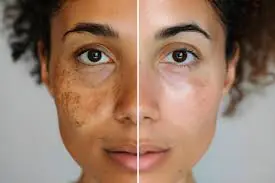
Have you ever looked in the mirror and wondered, “Why is my face darker than the rest of my body?” You’re not alone. Many people experience gradual or sudden facial darkening without understanding the root cause.
The truth is, your skin doesn’t just change randomly. There are underlying factors—some obvious, others surprisingly hidden—that can lead to uneven skin tone and darkening of the face.
In this in-depth guide, we’ll explore the real reasons your face is getting darker, backed by science and practical insights, and what you can do to fix it effectively.
- Sun Exposure Without Protection
One of the most common yet underestimated causes is sun exposure.
Your face is constantly exposed to harmful UV rays, which trigger melanin production. Melanin is your skin’s defense mechanism, but overproduction leads to darkening and pigmentation.
Signs:
- Tanning that doesn’t fade
- Dark patches or spots
- Uneven complexion
Fix:
- Use SPF 30 or higher daily (even indoors)
- Reapply sunscreen every 2–3 hours
- Wear hats or protective clothing
- Hyperpigmentation Issues
Hyperpigmentation occurs when excess melanin forms deposits in the skin. This can be caused by acne scars, sun damage, or inflammation.
Common Types:
- Post-inflammatory hyperpigmentation (PIH)
- Melasma
- Age spots
Fix:
- Use ingredients like Vitamin C, Niacinamide, or Retinol
- Avoid picking at acne or skin
- Hormonal Imbalances
Hormones play a huge role in your skin tone. Conditions like pregnancy, thyroid imbalance, or birth control usage can trigger melasma, leading to darker patches on the face.
Signs:
- Symmetrical dark patches on cheeks or forehead
- Sudden pigmentation without sun exposure
Fix:
- Consult a healthcare professional
- Use gentle brightening skincare
- Using the Wrong Skincare Products
Not all skincare products suit every skin type. Using harsh or incompatible products can damage your skin barrier, leading to dullness and darkening.
Common Mistakes:
- Over-exfoliation
- Mixing too many active ingredients
- Using expired products
Fix:
- Simplify your routine
- Patch test new products
- Focus on hydration and repair
- Pollution and Environmental Damage
Air pollution exposes your skin to toxins and free radicals, which can lead to oxidative stress and pigmentation.
Effects:
- Dull skin
- Dark patches
- Premature aging
Fix:
- Cleanse your face thoroughly
- Use antioxidant serums
- Double cleanse if needed
- Dead Skin Cell Build-Up
When dead skin cells accumulate, your complexion can appear darker and uneven.
Signs:
- Rough texture
- Lack of glow
- Patchy skin tone
Fix:
- Exfoliate 1–2 times per week
- Use chemical exfoliants like AHAs/BHAs
- Dehydration and Poor Diet
Your skin reflects your internal health. Lack of hydration and poor nutrition can lead to dull and dark skin.
Causes:
- Low water intake
- Excess junk food
- Vitamin deficiencies
Fix:
- Drink at least 2–3 liters of water daily
- Eat fruits rich in antioxidants
- Include vitamins A, C, and E in your diet
- Stress and Lack of Sleep
Chronic stress increases cortisol levels, which can disrupt your skin’s natural balance and cause dullness and pigmentation.
Effects:
- Tired-looking skin
- Uneven tone
- Breakouts leading to scars
Fix:
- Sleep 7–8 hours daily
- Practice relaxation techniques
- Maintain a consistent routine
- Medical Conditions
Sometimes, skin darkening can signal underlying health issues such as:
- Thyroid disorders
- Insulin resistance
- Addison’s disease
If your facial darkening is sudden or severe, it’s worth consulting a doctor.
- Excessive Heat Exposure
Spending too much time in heat (kitchens, hot environments) can stimulate melanin production, leading to darker skin.
Fix:
- Protect your face in high-heat environments
- Use cooling skincare products
- Friction and Touching Your Face
Constant touching, rubbing, or friction can irritate the skin and lead to pigmentation over time.
Examples:
- Resting your face on your hand
- Using rough towels
Fix:
- Avoid unnecessary touching
- Use soft fabrics
- Not Removing Makeup Properly
Leaving makeup on overnight clogs pores and damages your skin, leading to dullness and darkening.
Fix:
- Always remove makeup before bed
- Use micellar water or cleansing oil
How to Restore Your Natural Skin Tone
Now that you know the causes, here’s how you can reverse facial darkening:
- Follow a Consistent Skincare Routine
- Cleanser
- Toner
- Serum
- Moisturizer
- Sunscreen
- Use Brightening Ingredients
Look for:
- Vitamin C
- Niacinamide
- Alpha Arbutin
- Licorice extract
- Try Natural Remedies
- Aloe vera gel
- Turmeric masks
- Honey and lemon mixtures
- Stay Hydrated and Eat Clean
Your glow starts from within.
- Be Patient
Skin repair takes time. Consistency is key.
Pro Tips for Preventing Facial Darkening

- Never skip sunscreen
- Avoid harsh chemicals
- Keep your skin moisturized
- Manage stress effectively
- Maintain hygiene
Conclusion
Facial darkening isn’t random—it’s your skin responding to internal and external factors. Whether it’s sun exposure, hormonal changes, or skincare mistakes, identifying the root cause is the first step toward fixing it.
By adopting the right habits and skincare routine, you can restore your natural glow and maintain even skin tone over time.