The Best Oils I Tried for Hair Oiling
Hair oiling has always been one of those beauty rituals that feels simple, familiar and comforting. Growing up, I saw different oils being used for everything from dry hair to scalp massages, and for a long time I assumed that there was probably one magical oil that everyone was supposed to use.
Then I started trying different oils myself.
Some felt too heavy. Some made my hair look greasy almost immediately. Some were easier to wash out than others. And some became oils I genuinely enjoyed including in my hair care routine.
That is how I eventually started wondering:
What is actually the best oil for hair oiling?
After trying different options, I realised that there isn’t one universal answer. The best hair oil depends on your hair type, scalp, how dry or oily your hair is, how often you wash it and, most importantly, what works comfortably for you.
In this post, I’m sharing the best oils I tried for hair oiling, how I used them, which ones I preferred for different hair needs and what I learned about creating a simple hair oiling routine.
This isn’t about promising instant hair growth or claiming that one oil can solve every hair problem. For me, hair oiling is primarily a hair-care and self-care ritual that can help make my hair feel softer, more conditioned and easier to manage.
Why I Started Hair Oiling
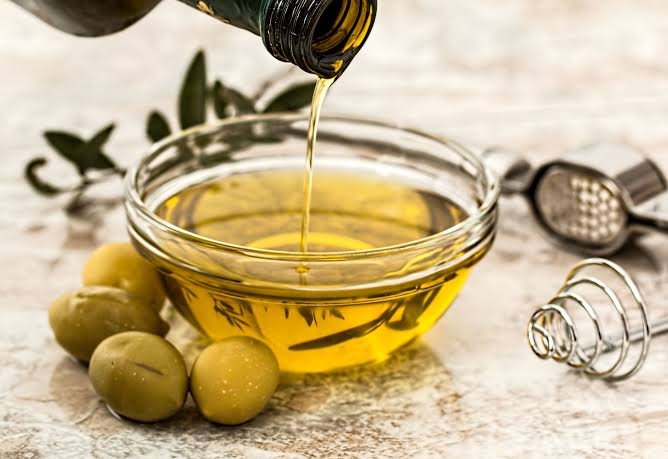
I started oiling my hair because I wanted a simple way to make my hair feel less dry and more manageable.
My hair can sometimes feel rough, especially on the lengths and ends. Heat styling, frequent washing, environmental exposure and everyday brushing can all make hair feel less smooth.
Instead of constantly adding more styling products, I wanted to simplify my routine.
That was when I started experimenting with different oils.
At first, I used whatever oil happened to be available at home. Eventually, I became more curious about specific oils and started paying attention to how each one behaved on my hair.
That made me realise that hair oiling is not one-size-fits-all.
An oil that feels wonderful on thick, dry hair may feel far too heavy on fine hair.
An oil that works beautifully on the lengths may not be something you want to apply heavily to your scalp.
And an oil that is popular online may simply not be the right choice for you.
What Is the Best Oil for Hair Oiling?
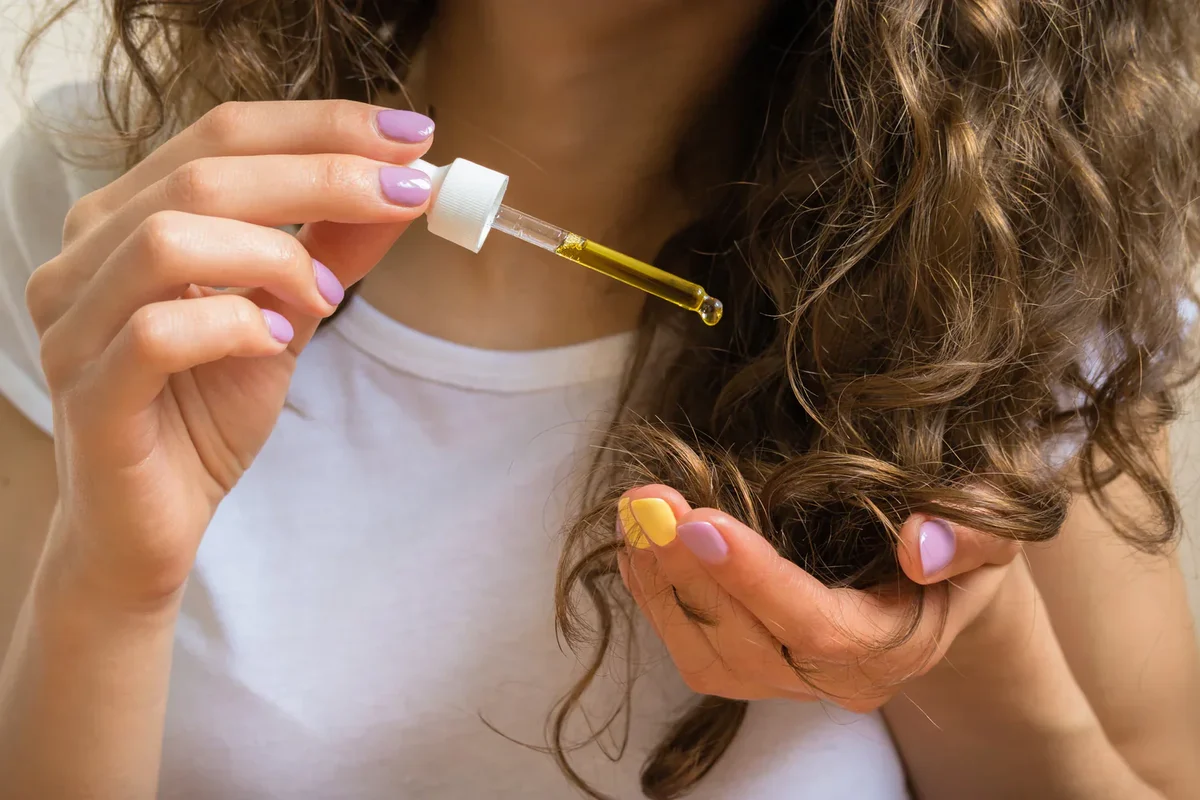
If you want the short answer, my favourite options to experiment with are:
- Coconut oil
- Castor oil
- Olive oil
- Almond oil
- Argan oil
- Jojoba oil
- Rosemary-infused or rosemary-based hair oils
But I wouldn’t say all of these are equally suitable for everyone.
When I think about the best oil for hair oiling, I consider three things:
- How does the oil feel on my hair?
Does it make my hair soft or does it leave it feeling coated and heavy?
- How easily does it wash out?
This matters more than you might think.
An oil that requires several rounds of shampoo may not be worth it for someone who prefers a simple routine.
- How does my scalp respond?
Scalp comfort matters too.
If an oil causes itching, irritation, excessive greasiness or breakouts around the hairline, I don’t consider it a good match for me.
So rather than looking for one universally perfect product, I prefer to think of the question as:
Which is the best hair oil for my hair type and routine?
- Coconut Oil – The Classic Hair Oil
If I had to choose the most familiar option from this entire list, it would probably be coconut oil.
Coconut oil has been part of hair-care routines for generations, and it is one of the first oils I tried for hair oiling.
What I like most about coconut oil is that it feels substantial without necessarily requiring a complicated routine.
I usually apply a small amount to my hair rather than completely soaking it.
I focus particularly on the lengths and ends when they feel dry.
Why I like coconut oil for hair
Coconut oil can make my hair feel:
- Softer
- Smoother
- Less dry
- Easier to detangle
- More conditioned
There is also research investigating how coconut oil interacts with the hair shaft, including its ability to penetrate the hair fiber. (PubMed)
For me, however, the practical question is always how my hair looks and feels after washing.
And coconut oil remains one of the oils I return to when I want a traditional hair oiling routine.
How I use coconut oil
I take a small amount, warm it between my palms and distribute it through my hair.
I don’t like aggressively rubbing my scalp.
Instead, if I’m applying oil to the scalp, I use gentle fingertips and avoid scratching or tugging.
Then I leave it for a while before washing my hair.
I don’t believe that leaving oil on overnight is automatically better.
Sometimes a shorter pre-wash treatment is enough for me.
- Castor Oil – Very Thick but Interesting
Castor oil was a completely different experience.
It is extremely thick compared with many other hair oils, so I quickly realised that I didn’t want to use it like coconut oil.
If I apply too much castor oil directly to my hair, it can feel heavy and difficult to distribute.
That’s why I prefer using a small amount or mixing it with a lighter oil.
Castor oil for hair
Castor oil is extremely popular in conversations around oil for hair growth and hair fall.
However, I don’t use it with the expectation that it will magically make my hair grow.
That distinction matters.
Hair growth and hair loss can have many different causes, and simply applying an oil doesn’t address all of them.
For me, castor oil is more about the feel and conditioning aspect of an oiling routine.
How I use castor oil
Rather than applying a large amount, I use a little and mix it with a lighter oil.
This makes the texture much easier to work with.
If your hair is fine or your scalp becomes oily quickly, you may find pure castor oil too heavy.
- Almond Oil – One of My Lighter Options
Almond oil is another option I tried when I wanted something that felt lighter than heavier oils.
I particularly like the idea of using a lighter oil on the lengths of my hair.
My ends are usually where I notice dryness first, so I don’t always need a heavy oil treatment over my entire head.
Almond oil for hair
I like almond oil when my goal is simply:
“I want my hair to feel softer and more manageable.”
It can be a nice option for people who don’t enjoy the heavy feeling that some traditional hair oils leave behind.
As with any oil, I prefer starting with a small amount.
More oil doesn’t necessarily mean more benefit.
- Olive Oil – Best for When My Hair Feels Very Dry
Olive oil is one of those oils that feels rich.
When my hair feels particularly dry, I sometimes prefer a richer oiling treatment rather than a very lightweight one.
The downside is that olive oil can feel heavy if you use too much.
That means I wouldn’t necessarily choose it every time.
My olive oil approach
I use a small amount and concentrate more on the lengths than completely saturating my hair.
If your hair is thick, coarse or very dry, you may enjoy richer oils more than someone with fine, oily hair.
Again, this is where experimenting with your own hair becomes more useful than following a universal list of the “best” oils.
- Argan Oil – My Favourite for the Hair Lengths
Argan oil feels completely different from traditional pre-wash hair oils.
It is lightweight and works beautifully for the lengths and ends when I want a little smoothness without making my hair feel heavily oiled.
I don’t necessarily think of argan oil as my main hair oiling treatment.
Instead, I see it as a versatile oil that can fit into a broader hair-care routine.
When I use argan oil
I like it when:
- My ends feel dry
- My hair looks frizzy
- I want extra smoothness
- I don’t want a heavy oil treatment
- I want something for the lengths rather than the scalp
A tiny amount can go a long way.
- Jojoba Oil – A Lightweight Option
Jojoba oil was one of the more interesting oils I tried because of its lighter feel.
If you dislike the greasy sensation associated with traditional hair oiling, a lightweight option like jojoba may feel more comfortable.
I prefer using lighter oils when I don’t want to spend a long time washing my hair afterwards.
It can also be easier to use a small amount on the lengths without making the hair look overly oily.
For people with fine hair, starting with a tiny amount is especially important.
- Rosemary Oil – Why I Use Extra Caution
Rosemary oil is probably one of the most talked-about oils in online hair-care conversations.
You’ll find countless searches for:
“rosemary oil for hair”
“rosemary oil for hair growth”
“rosemary oil for hair fall”
and
“how to use rosemary oil on scalp.”
But this is one area where I think it is particularly important not to follow social-media trends blindly.
Pure essential oils are highly concentrated.
I would not simply pour undiluted rosemary essential oil directly onto my scalp.
If I use a rosemary-based hair product, I prefer a properly formulated product or an appropriately diluted preparation.
And I don’t consider rosemary oil a guaranteed hair-growth treatment.
There is a difference between experimenting with a hair-care ingredient and promising that it will treat hair loss.
Which Oil Is Best for Dry Hair?
If your main concern is dry hair, I would focus less on finding a “miracle oil” and more on choosing an oil that makes your hair feel comfortable and manageable.
Some oils I would consider experimenting with include:
Coconut oil
A classic pre-wash option that I personally like when my hair feels dry.
Olive oil
A richer option for hair that feels particularly dry.
Almond oil
A lighter choice if you don’t like a very heavy oil treatment.
Argan oil
Useful for the lengths and ends when I want lightweight smoothness.
Jojoba oil
A lighter-feeling option that can work well for people who dislike heavy oils.
Your hair type makes a difference.
Fine hair may become weighed down quickly.
Thick or coarse hair may tolerate richer oils more easily.
What About the Best Oil for Hair Growth?
This is where I want to be careful.
If you search Google or social media for best oil for hair growth, you will find an enormous number of recommendations.
Castor oil.
Coconut oil.
Rosemary oil.
Onion oil.
Amla oil.
Black seed oil.
And many different blends.
But hair growth isn’t simply about putting oil on the scalp.
Hair loss can have different causes, and an oil cannot automatically address the underlying cause.
So I don’t personally choose an oil because I expect it to “grow” my hair overnight.
Instead, I think of oiling as one part of a broader healthy hair routine.
If you’re experiencing noticeable thinning, bald patches, sudden shedding or persistent hair loss, it is better to get the cause assessed rather than relying only on hair oiling.
Dermatologists also recommend reducing practices that damage fragile hair, including excessive heat, rough handling and tight hairstyles. (American Academy of Dermatology)
What About the Best Oil for Hair Fall?
The phrase “best oil for hair fall” is one of the most common hair-care searches.
But hair fall is not the same thing as dry or damaged hair.
If hair is breaking because it is dry or damaged, improving your hair-care routine may help reduce further breakage.
But true hair shedding from the root can have many causes.
That is why I don’t like promising that a particular oil will stop hair fall.
For me, oiling is primarily about:
- Hair conditioning
- Managing dryness
- Making hair feel smoother
- Reducing the need for excessive styling
- Creating a simple self-care routine
If your hair is falling significantly more than usual or you are noticing thinning, it is worth speaking to a dermatologist.
My Favourite Hair Oiling Routine
After trying different oils, I realised that I don’t need an elaborate routine.
My basic hair oiling routine looks like this.
Step 1: Choose the oil
I choose depending on how my hair feels.
For example:
Dry hair: coconut or olive oil
Lighter treatment: almond or jojoba oil
Hair lengths: argan oil
Very thick oil: castor oil mixed with another oil
Step 2: Use a small amount
This was something I had to learn.
I used to think that more oil meant a better oil treatment.
It doesn’t.
Too much oil simply means more product to wash out.
Step 3: Warm it between my hands
I don’t use extremely hot oil.
I simply rub the oil between my palms for a few seconds.
Step 4: Apply gently
I don’t aggressively massage or scratch my scalp.
If I’m applying oil to the scalp, I use gentle fingertips.
Step 5: Focus on the lengths
I pay particular attention to dry ends.
The ends of our hair are older and often more vulnerable to damage, so I don’t ignore them.
Step 6: Leave it for a reasonable amount of time
I don’t believe that every hair oil treatment needs to stay overnight.
If my hair feels nicely coated, that’s enough.
Step 7: Wash gently
I shampoo my scalp rather than aggressively rubbing shampoo through every inch of my hair.
Dermatologists recommend focusing shampoo on the scalp and using conditioner to help keep hair manageable and reduce damage. (American Academy of Dermatology)
Should You Oil Your Scalp or Hair Length?
This is another question I started thinking about after experimenting with different oils.
You don’t necessarily need to cover your entire head in oil every time.
Sometimes I mainly oil the lengths and ends.
If your scalp is naturally oily, adding a large amount of oil may simply make washing more difficult.
If your scalp is dry, you may prefer including it in your routine.
The important thing is to pay attention to your own scalp.
If you notice itching, irritation, flakes getting worse or breakouts around your hairline, stop using the product and reassess.
Hair products containing oils can sometimes contribute to breakouts around the hairline and forehead in people who are prone to acne. (American Academy of Dermatology)
How Often Should You Oil Your Hair?
There isn’t a single schedule that everyone needs to follow.
Some people like hair oiling once a week.
Others prefer every couple of weeks.
Some people don’t enjoy oiling at all.
Personally, I don’t think hair oiling needs to become a strict weekly rule.
I prefer to look at how my hair feels.
If it feels dry or I want a pre-wash conditioning treatment, I may oil it.
If my hair feels fine, I don’t force myself to.
A hair-care routine should make your life easier, not give you another task to worry about.
Is Overnight Hair Oiling Better?
Overnight hair oiling is incredibly popular.
But I don’t think you need to sleep with oil in your hair simply because someone online says it is necessary.
For me, a pre-wash oil treatment is enough.
There is also a practical reason I don’t always prefer overnight oiling:
The longer something sits on my scalp, the more product buildup I may have to deal with.
If you’re prone to scalp irritation, acne around the hairline or dandruff-like symptoms, leaving heavy products on for long periods may not be the best idea.
I prefer simple.
Oil.
Wait.
Wash.
Condition.
Done.
Hair Oiling Mistakes I Try to Avoid
Finding the best oil for hair oiling isn’t only about the oil.
How you apply it matters too.
Using too much oil
This is probably my biggest mistake from the past.
You don’t need half a bottle.
Scratching the scalp
A massage should be gentle.
Scratching can irritate the scalp.
Pulling the hair while applying oil
Hair can be fragile, especially when you’re handling it roughly.
Using extremely hot oil
I don’t see the need for very hot oil treatments.
Dermatologists specifically caution against hot-oil treatments for fragile, thinning hair because added heat can cause damage. (American Academy of Dermatology)
Leaving oil on indefinitely
Longer isn’t automatically better.
Applying essential oils undiluted
Concentrated essential oils should be treated differently from ordinary carrier oils.
Ignoring scalp problems
If your scalp is persistently itchy, painful, inflamed or unusually flaky, oil isn’t necessarily the answer.
My Favourite Oils at a Glance
After experimenting with different options, this is how I would describe my personal preferences:
| Oil | How I Like to Use It |
| Coconut oil | Pre-wash oiling and dry hair |
| Castor oil | Mixed with a lighter oil |
| Almond oil | Lightweight hair oiling |
| Olive oil | Richer treatment for dry hair |
| Argan oil | Hair lengths and dry ends |
| Jojoba oil | Lightweight routine |
| Rosemary-based oil | Occasional scalp-focused product, used carefully |
If I had to pick only one traditional oil for a simple hair oiling routine, coconut oil would probably be my first choice.
But if my goal were lightweight styling and smoothing, I would reach for argan oil instead.
That’s why I don’t think the answer to “What is the best oil for hair?” can be one word.
Best Hair Oil According to Your Hair Needs
Best oil for dry hair
Coconut oil, olive oil or almond oil can be options to experiment with depending on how your hair responds.
Best oil for dry ends
I personally prefer argan oil or a small amount of another lightweight oil.
Best traditional hair oil
Coconut oil is my pick.
Best lightweight hair oil
Argan or jojoba oil may be preferable if you dislike heavy oils.
Best oil for thick hair
Richer oils may feel more comfortable on thick hair, although the right choice still depends on your individual hair.
Best oil for fine hair
I would start with a very small amount of a lightweight oil rather than immediately applying a heavy oil.
Best oil for hair fall
I wouldn’t choose an oil based on a promise to stop hair fall. If shedding is significant or persistent, finding the cause is more important than finding another oil.
Best oil for hair growth
I would be cautious with claims that any oil guarantees hair growth. A healthy hair routine and appropriate medical evaluation are more important when there is genuine hair loss.
The Biggest Thing I Learned About Hair Oiling
After trying all these oils, I think the biggest lesson is surprisingly simple:
Your hair doesn’t need every oil. It needs the right routine.
I used to think that finding the perfect oil would completely transform my hair.
Now I think differently.
A good hair routine is made up of small things:
Using products that suit your hair type.
Being gentle while washing.
Conditioning regularly.
Reducing unnecessary heat.
Avoiding excessive pulling and tugging.
Keeping the scalp comfortable.
And using hair oil when it actually benefits your routine.
The American Academy of Dermatology also recommends gentle hair care, appropriate conditioning, minimizing excessive heat and avoiding practices that place unnecessary stress on the hair. (American Academy of Dermatology)
Hair oiling can be one small part of that picture.
It doesn’t have to be the entire picture.
Final Thoughts: Finding the Best Oil for Hair Oiling
So, what is the best oil for hair oiling?
After trying different options, my answer is:
The best oil is the one that suits your hair, fits your routine and leaves your hair feeling comfortable without causing scalp problems.
For me, coconut oil remains one of my favourite traditional options.
Castor oil is something I prefer in smaller amounts or mixed with a lighter oil.
Almond oil is useful when I want something less heavy.
Olive oil works better for richer treatments.
Argan oil is one of my favourites for the lengths and ends.
Jojoba oil is a nice lightweight option.
And rosemary-based products are something I approach with more caution rather than blindly following online hair-growth trends.
The important thing is not to turn hair oiling into another beauty rule.
Try one oil.
Use a small amount.
See how your hair responds.
Keep what works.
Leave what doesn’t.
And remember that healthier-looking hair usually comes from consistent, gentle care, rather than one miracle product.
Frequently Asked Questions About Hair Oiling
Which is the best oil for hair oiling?
There is no single best oil for everyone. Coconut, almond, olive, argan, jojoba and castor oils are among the options people use for hair care. The right choice depends on your hair type, scalp and personal preference.
Which oil is best for hair growth?
Be cautious of products that promise guaranteed hair growth. Hair loss can have many causes, and oiling alone cannot address all of them. If you’re experiencing persistent thinning or shedding, consider speaking with a dermatologist.
Is coconut oil good for hair?
Coconut oil is a popular hair oil and has been studied for its interaction with the hair fiber. I personally like it as a traditional pre-wash oil treatment.
Is castor oil good for hair?
Castor oil is a thick oil commonly used in hair-care routines. I prefer using a small amount or mixing it with a lighter oil because pure castor oil can feel heavy.
How often should I oil my hair?
There is no universal schedule. Some people oil weekly, while others do it less frequently. Choose a frequency that suits your hair and scalp rather than following a strict rule.
Should I oil my hair overnight?
You don’t necessarily need to leave oil overnight. A shorter pre-wash treatment can be enough. If leaving oil overnight causes scalp irritation or makes your hair difficult to wash, there is no reason to continue doing it.
Is oiling good for dry hair?
Hair oiling can make dry hair feel softer and more conditioned. However, dry hair also benefits from gentle washing, regular conditioning and limiting excessive heat.
Can oiling stop hair fall?
Hair oiling should not be considered a guaranteed treatment for hair loss. Hair shedding can have many causes, so persistent or significant hair loss should be assessed by a healthcare professional.
Is rosemary oil good for hair?
Rosemary is widely used in hair-care products and is popular in discussions about hair growth. However, concentrated rosemary essential oil should not be applied casually or undiluted to the scalp. Use appropriately formulated or diluted products and stop if irritation occurs.
Can I mix different hair oils?
Yes, people commonly mix carrier oils to change the texture or make a heavier oil easier to apply. I particularly prefer mixing very thick oils, such as castor oil, with a lighter option.
A Simple Hair Oiling Routine to Try
If you are completely new to hair oiling, you don’t need to buy five different oils.
Start with one.
Step 1: Choose an oil that suits your hair type.
Step 2: Start with a small amount.
Step 3: Apply gently to the lengths and, if appropriate for your scalp, use gentle fingertips on the scalp.
Step 4: Leave it for a reasonable amount of time before washing.
Step 5: Shampoo your scalp gently.
Step 6: Follow with conditioner.
Step 7: Let your hair dry gently and avoid unnecessary heat.
Then see how your hair feels.
If you like the result, continue.
If your hair feels heavy, greasy or your scalp becomes irritated, change the amount, frequency or product.
That’s really the philosophy I now follow with hair oiling:
Less experimentation. More observation. Better routine.