
Herbal Teas I Tried for Better Digestion
There are days when my stomach simply doesn’t feel right.
Sometimes it is that uncomfortable heaviness after eating. Sometimes it is bloating. Sometimes I have eaten a little more than usual and just feel like I need something warm and soothing. And sometimes my digestion feels perfectly normal, but I still want something comforting after a meal.
That is when I started paying more attention to herbal teas.
I have always enjoyed tea, but over time I became interested in different herbal teas for digestion rather than reaching for regular milk tea every time. I wanted something simple that I could include in my routine, especially after meals or in the evening.
I tried a few different options, including ginger tea, peppermint tea, chamomile tea and fennel tea. They were not all the same, and I definitely developed my own preferences.
So if you have ever searched for the best tea for digestion, wondered what tea is good for digestion, or simply wanted to try a few herbal options, this is what my experience looked like.
A small note before we start: This is a personal wellness experience, not medical advice. Herbal teas can be part of a healthy routine, but they are not a substitute for medical diagnosis or treatment. If you regularly experience significant abdominal pain, persistent bloating, vomiting, blood in your stool, unexplained weight loss or ongoing digestive problems, it is better to speak with a healthcare professional.
Why I Started Looking for a Tea for Digestion
My interest in tea for digestion didn’t come from wanting a quick fix.
I was more interested in creating a small, relaxing habit around meals.
I noticed that when I ate quickly, had a particularly heavy meal or didn’t drink enough fluids during the day, I sometimes felt more uncomfortable afterwards. Instead of immediately looking for complicated solutions, I wanted to try something very simple.
A warm herbal tea seemed like an easy place to start.
There was also something about the ritual itself that I enjoyed.
Making a cup of tea forced me to slow down for a few minutes. I wasn’t eating while scrolling through my phone or immediately moving from one task to another. I could simply sit down with a warm drink.
That became just as important to me as the tea itself.
-
Ginger Tea for Digestion
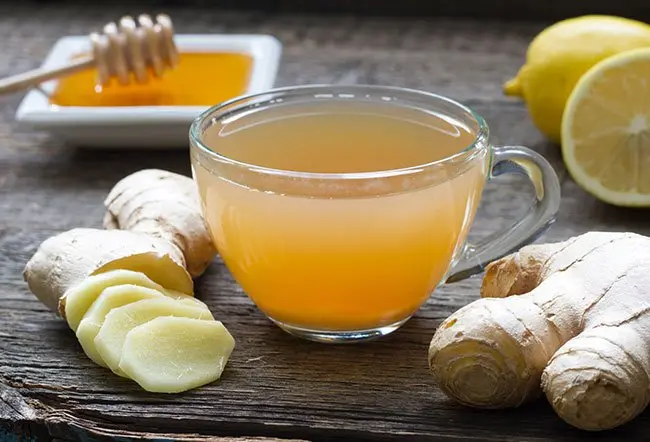
Ginger tea was probably one of the first herbal teas I tried when I started experimenting with tea for better digestion.
Ginger has a naturally strong, slightly spicy flavour, so it isn’t necessarily the most subtle tea. But when I want something warming, ginger is usually one of my first choices.
I particularly like it after a heavier meal.
How I make ginger tea
My simplest version is just fresh ginger and hot water.
I slice a small amount of fresh ginger, add it to hot water and let it steep for several minutes. Sometimes I add a little lemon for flavour.
I don’t make it extremely strong because I prefer a lighter taste.
The result is warming, slightly spicy and refreshing.
Why I like ginger tea
For me, ginger tea is less about expecting a dramatic effect and more about how it fits into my routine.
It feels particularly comforting when my stomach feels heavy.
If you are searching for ginger tea for digestion, this is one of the easiest versions to try at home.
I also like that you don’t need a complicated recipe or a long list of ingredients.
Just:
Fresh ginger + hot water + a few minutes.
That’s it.
-
Peppermint Tea for Digestion

Peppermint tea is completely different from ginger tea.
Where ginger feels warm and spicy, peppermint feels cool and refreshing.
It quickly became one of my favourites when I wanted a lighter herbal tea for bloating and digestion.
Peppermint tea has a naturally refreshing flavour, which makes it especially nice after meals.
I usually prefer it when I don’t want something strong or spicy.
My peppermint tea routine
I generally use a peppermint tea bag or dried peppermint leaves and steep them in hot water.
I don’t add much else.
The fresh mint flavour is enough on its own.
I particularly enjoy peppermint tea in the evening because it feels light and calming.
If you are looking for a natural tea for digestion that doesn’t taste overly medicinal, peppermint is one option worth exploring.
However, peppermint isn’t suitable for everyone. People who experience acid reflux or heartburn may find that mint makes their symptoms worse, so this is one tea where personal tolerance really matters.
-
Chamomile Tea for Digestion and Relaxation
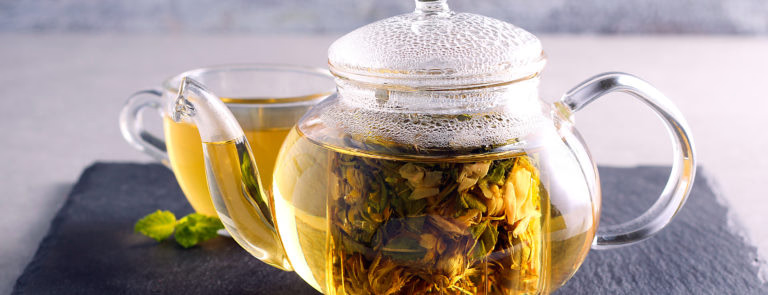
Chamomile tea was initially something I associated more with relaxation than digestion.
But eventually, I started drinking it after dinner as part of my evening routine.
There is something very calming about a warm cup of chamomile tea.
The flavour is mild, floral and slightly sweet, although some people may find it takes a little getting used to.
For me, chamomile works best when I want something gentle rather than a strongly flavoured digestive tea.
When I drink chamomile tea
I usually reach for it in the evening.
I make a cup, let it steep and drink it slowly rather than treating it like something I need to finish quickly.
That slower pace has become part of the experience.
Sometimes our digestion routine isn’t only about what we consume.
Our overall habits matter too.
Eating slowly, staying hydrated, getting enough movement and having a more relaxed evening routine can all contribute to how we feel.
- Fennel Tea for Digestion
Fennel tea was one of the more interesting ones I tried.
Fennel has a naturally sweet, slightly licorice-like flavour. It is quite different from ginger, peppermint and chamomile.
I usually make fennel tea by steeping fennel seeds in hot water.
It is a very simple homemade herbal drink.
Fennel tea after meals
I particularly associate fennel tea with the idea of having something after a meal.
It has a distinctive taste and feels like a traditional, comforting digestive drink.
If you’re searching for fennel tea for digestion, this is one of the easiest versions to prepare at home.
I don’t make it overly concentrated, though.
A small amount of fennel seeds in hot water is enough for me.
-
Green Tea Isn’t the Same as Herbal Tea
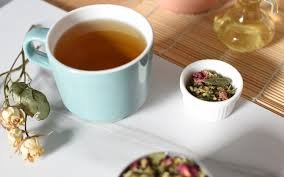
One thing I learned while exploring the best tea for digestion is that not every tea marketed as a “healthy tea” is actually an herbal tea.
Green tea, for example, comes from the tea plant and naturally contains caffeine.
Herbal teas are generally made by infusing things such as herbs, flowers, spices, roots or seeds in hot water.
This distinction matters if you’re specifically looking for a caffeine-free evening drink.
For my evening routine, I usually prefer herbal options such as chamomile, peppermint or fennel because I don’t want caffeine close to bedtime.
That doesn’t mean green tea is “bad” or that it cannot be part of a healthy diet.
It simply serves a different purpose in my routine.
Which Is the Best Tea for Digestion?
This is probably the question most people have when searching for best tea for digestion.
But I don’t think there is one universal answer.
The best tea for digestion depends on what you enjoy, how your body responds to it and when you want to drink it.
Here’s how I think about the teas I tried:
| Herbal Tea | What I Like About It |
| Ginger tea | Warm, spicy and comforting |
| Peppermint tea | Refreshing and light |
| Chamomile tea | Mild and relaxing |
| Fennel tea | Traditional, slightly sweet flavour |
If I want something warming, I choose ginger.
If I want something refreshing, I choose peppermint.
If I want something gentle in the evening, chamomile is usually my choice.
If I want a simple homemade digestive drink, fennel is an option.
So rather than asking “What is the best tea for digestion?”, I think a better question is:
“Which tea fits my routine and agrees with my body?”
The Tea I Prefer After a Heavy Meal
If I’ve had a particularly heavy meal, I usually prefer ginger or peppermint tea.
I don’t make it too strong.
The goal isn’t to “cancel out” the meal or somehow undo what I ate.
It’s simply a warm drink that I enjoy while giving myself time to relax.
I think this distinction is important.
You don’t need to treat food as something you have to compensate for.
Having dessert, eating a large meal or enjoying your favourite foods isn’t something that needs to be “fixed” with a detox tea.
For me, herbal tea is simply a comforting part of my routine.
Tea for Bloating: What I Actually Do
Bloating is one of the main reasons people search for tea for bloating.
I understand why.
When you’re uncomfortable, you naturally want something simple that might make you feel better.
When I feel bloated, I don’t immediately make a very strong herbal tea and expect it to solve the problem.
Instead, I look at the bigger picture.
I ask myself:
- Did I eat very quickly?
- Did I have a particularly large meal?
- Have I been drinking enough water?
- Have I been sitting for hours?
- Did I eat something that I know doesn’t agree with me?
- Am I stressed?
- Is this something that keeps happening?
Sometimes the solution is simply giving my body time and getting some gentle movement.
A warm cup of herbal tea can then become part of that routine.
How I Make My Herbal Tea
My routine is intentionally simple.
I don’t use complicated recipes or lots of ingredients.
Basic method
- Boil water.
- Add your chosen herb, tea bag, seeds or fresh ingredient.
- Let it steep for several minutes.
- Strain if necessary.
- Let it cool slightly.
- Drink slowly.
For ginger tea, I use fresh ginger slices.
For fennel tea, I use fennel seeds.
For peppermint and chamomile, I usually use tea bags or dried herbs.
Sometimes I add lemon simply because I enjoy the flavour.
I don’t add lots of sugar because I prefer the natural taste.
When I Usually Drink Herbal Tea
Timing isn’t complicated for me.
I generally drink herbal tea:
After a meal:
When I want something warm and comforting.
In the evening:
When I want a caffeine-free drink while winding down.
When I want something instead of another cup of regular tea:
Especially later in the day.
I don’t force myself to drink herbal tea multiple times a day.
Some days I have one cup.
Some days I don’t have any.
It’s a routine, not a rule.
Herbal Tea Alone Isn’t a Digestion Solution
This is probably the most important thing I would say about herbal teas for digestion.
I wouldn’t look at herbal tea as a solution to every digestive problem.
Your digestive health is influenced by many things, including your overall diet, hydration, physical activity, sleep, stress and individual health.
If you’re regularly experiencing digestive symptoms, drinking tea every day shouldn’t replace finding out why those symptoms are happening.
Herbal tea can be a small part of a healthy lifestyle.
It doesn’t need to be more complicated than that.
Small Habits I Pair With My Tea Routine
I noticed that the tea itself isn’t the only thing that makes my routine feel better.
I also try to pay attention to a few basic habits.
I try to eat more slowly
When I’m rushing through a meal, I don’t really notice how much I’m eating.
Slowing down makes the whole meal feel different.
I drink enough water
Sometimes I confuse thirst with wanting another drink or snack.
Keeping water nearby makes staying hydrated easier.
I move after meals
I don’t mean an intense workout.
Even getting up and moving around instead of immediately sitting for hours feels like a better habit for me.
I pay attention to foods that don’t agree with me
Everyone’s digestion is different.
Something that feels perfectly fine for one person may cause discomfort for someone else.
I find it more useful to notice my own patterns rather than following every food trend online.
I don’t rely on “detox” drinks
I used to see endless claims about detox teas and cleansing drinks.
Now I’m much more cautious about those claims.
I prefer simple herbal teas that I actually enjoy instead of products promising dramatic results.
Things I Learned From Trying Different Herbal Teas
Experimenting with tea for digestion taught me something surprisingly simple:
There doesn’t have to be one perfect tea.
Different teas suit different moments.
Ginger is warming.
Peppermint is refreshing.
Chamomile is gentle.
Fennel has a distinctive sweetness.
Instead of searching endlessly for the one best tea for digestion, I think it makes more sense to find a few options you genuinely enjoy.
That makes the habit easier to maintain.
And consistency with simple habits is often more realistic than trying an extreme routine for a few days.
Are Herbal Teas Good for Digestion?
Herbal teas can be a pleasant addition to a balanced diet and wellness routine, and some herbs have traditionally been used for digestive comfort.
However, “natural” doesn’t automatically mean suitable for everyone.
Herbs can interact with medications or may not be appropriate during certain health conditions or stages of life.
That’s why I don’t think herbal tea should be treated as a universal treatment for digestive problems.
If you’re taking medication, pregnant or breastfeeding, have an existing medical condition, or are considering concentrated herbal products or supplements, check with a healthcare professional before using them regularly.
And if digestive symptoms are persistent or severe, don’t try to manage them only with tea.
My Personal Herbal Tea Rotation
If I had to simplify everything I’ve tried, my current rotation would look something like this:
Morning
If I want caffeine, I may have my usual tea or another caffeinated drink.
I don’t specifically need an herbal tea every morning.
After a heavier meal
Ginger tea or peppermint tea.
These are the flavours I enjoy most at this time.
Evening
Chamomile tea.
It’s mild and fits naturally into my wind-down routine.
When I want something traditional and simple
Fennel tea.
Especially when I feel like making something from ingredients I already have at home.
Final Thoughts: Finding Your Own Tea for Digestion
When I first started looking into herbal teas for digestion, I was mainly looking for something simple.
I didn’t want another complicated wellness routine.
After trying different options, I realised that the biggest benefit for me was creating a small moment to slow down.
Ginger tea became my warming option.
Peppermint became my refreshing option.
Chamomile became part of my evening routine.
Fennel became my simple homemade option.
And I stopped worrying about finding the single best tea for digestion.
Instead, I focused on finding teas that I actually enjoyed and that fit naturally into my day.
If you’re also curious about what tea is good for digestion, start simple. Try one herbal tea at a time, see how you like the taste and pay attention to how your body responds.
You don’t need ten different teas sitting in your kitchen.
Sometimes one good cup, enjoyed slowly, is enough.
Frequently Asked Questions
What is the best tea for digestion?
There isn’t one best tea for everyone. Ginger, peppermint, chamomile and fennel are popular herbal options, but individual preferences and tolerance differ.
What tea is good for digestion after eating?
Some people enjoy ginger, peppermint or fennel tea after meals. Choose the option that agrees with you and avoid using tea as a substitute for addressing persistent digestive symptoms.
Is ginger tea good for digestion?
Ginger tea is a popular herbal drink traditionally associated with digestive comfort. I personally enjoy it because it is warm and soothing, particularly after a heavier meal.
Is peppermint tea good for digestion?
Peppermint tea is a refreshing herbal option that many people enjoy as part of their digestive routine. However, peppermint may worsen heartburn or reflux symptoms for some people.
Is chamomile tea good for digestion?
Chamomile tea is a mild herbal drink that I enjoy in the evening. It is especially appealing if you want a caffeine-free beverage as part of a relaxing routine.
Is fennel tea good for digestion?
Fennel tea is traditionally used as a digestive drink and is easy to prepare by steeping fennel seeds in hot water. It has a naturally sweet, distinctive flavour.
Can I drink herbal tea every day?
Whether you can safely drink a particular herbal tea every day depends on the herb, the amount, your health and any medications you take. If you have a medical condition or take medication regularly, ask a healthcare professional about appropriate use.
What is a good tea for bloating?
Ginger, peppermint and fennel are commonly chosen as herbal options for bloating and digestive comfort. However, recurring bloating can have many causes, so persistent symptoms deserve proper medical evaluation.
Should I drink tea before or after meals?
There isn’t one rule that works for everyone. I personally prefer herbal tea after meals or in the evening because I enjoy it as part of my routine.