Iron deficiency is one of the most common nutritional deficiencies worldwide, especially among women. Many females experience symptoms like constant fatigue, weakness, dizziness, or hair fall without realizing that low iron levels may be the underlying cause.
Iron plays a crucial role in producing hemoglobin, a protein in red blood cells that carries oxygen throughout the body. Without enough iron, your body struggles to deliver oxygen efficiently, leading to iron deficiency anemia and various health problems.
Women are particularly at higher risk due to menstruation, pregnancy, dietary habits, and hormonal changes. Understanding the early iron deficiency symptoms in females can help prevent long-term complications and improve overall health naturally.
In this complete guide, you’ll learn the most common anemia symptoms in women, causes of low iron, best iron-rich foods, and natural ways to improve iron levels.
What Is Iron Deficiency?
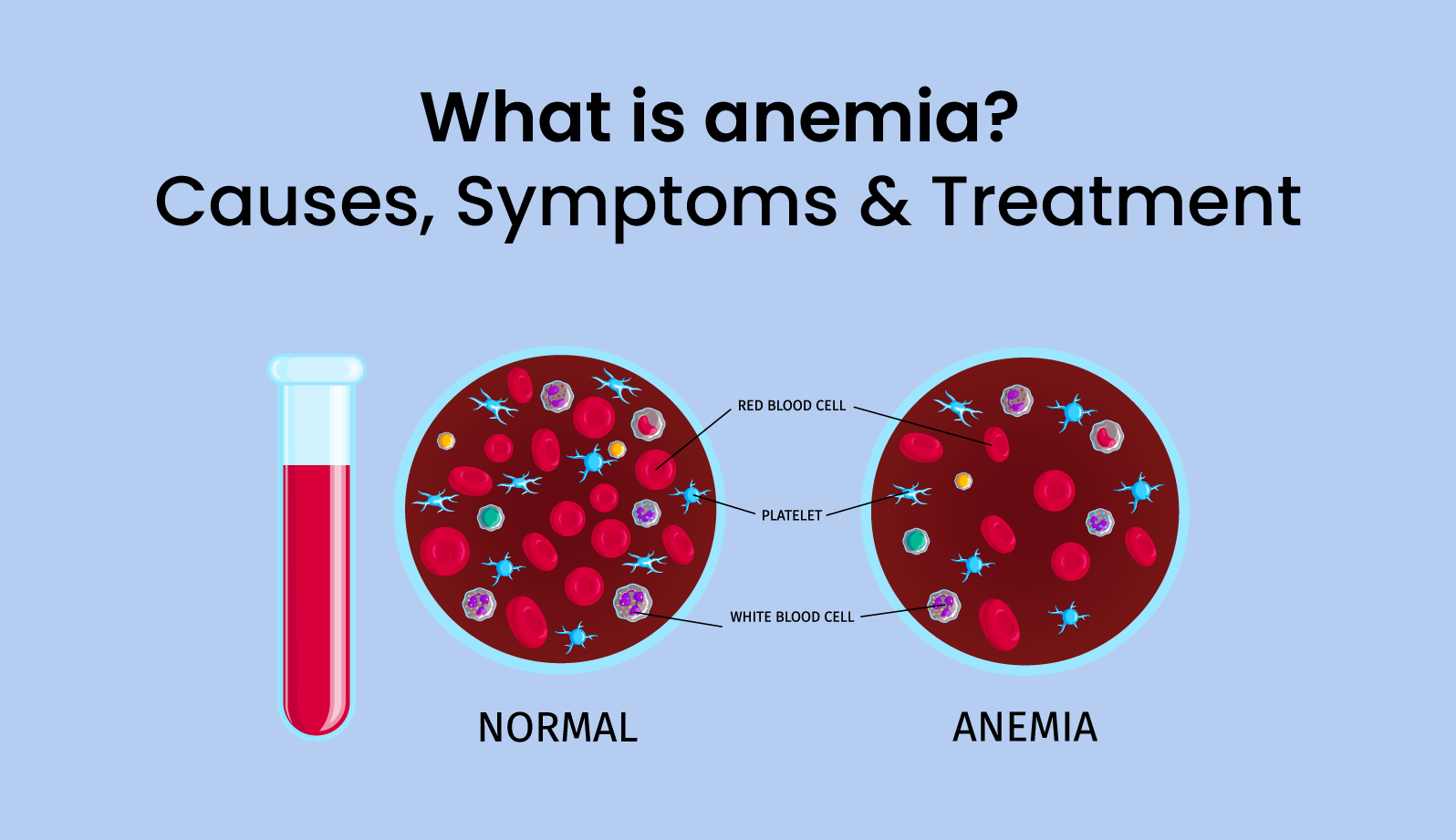
Iron deficiency occurs when the body does not have enough iron to produce healthy red blood cells.
When iron levels become too low, it can lead to iron deficiency anemia, a condition where the blood cannot carry enough oxygen throughout the body.
This can affect:
- Energy levels
- Brain function
- Muscle performance
- Immunity
- Hair and skin health
Why Females Are More Prone to Iron Deficiency
Women are more likely than men to experience low iron levels due to several biological and lifestyle factors.
Common Causes in Females
- Heavy menstrual periods
- Pregnancy
- Breastfeeding
- Poor diet
- Blood loss
- Low nutrient absorption
- Frequent dieting
Teenage girls and women of reproductive age are especially vulnerable to anemia symptoms.
- Constant Fatigue and Low Energy
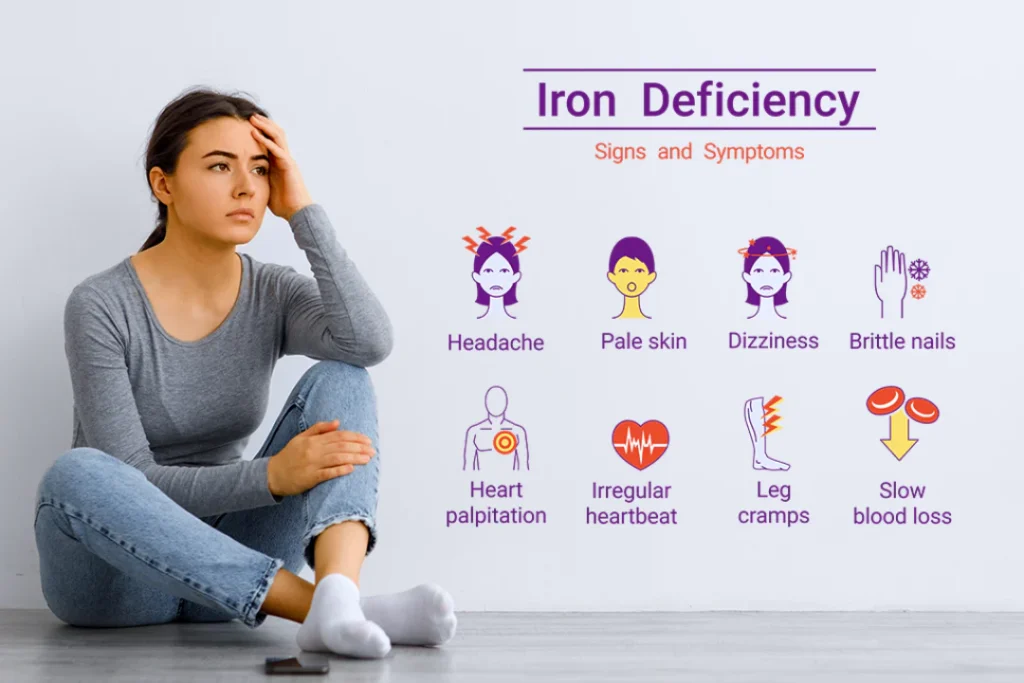
One of the earliest and most common iron deficiency symptoms in females is extreme tiredness.
When your body lacks iron, less oxygen reaches your muscles and tissues, causing exhaustion even after rest.
Signs to Watch For
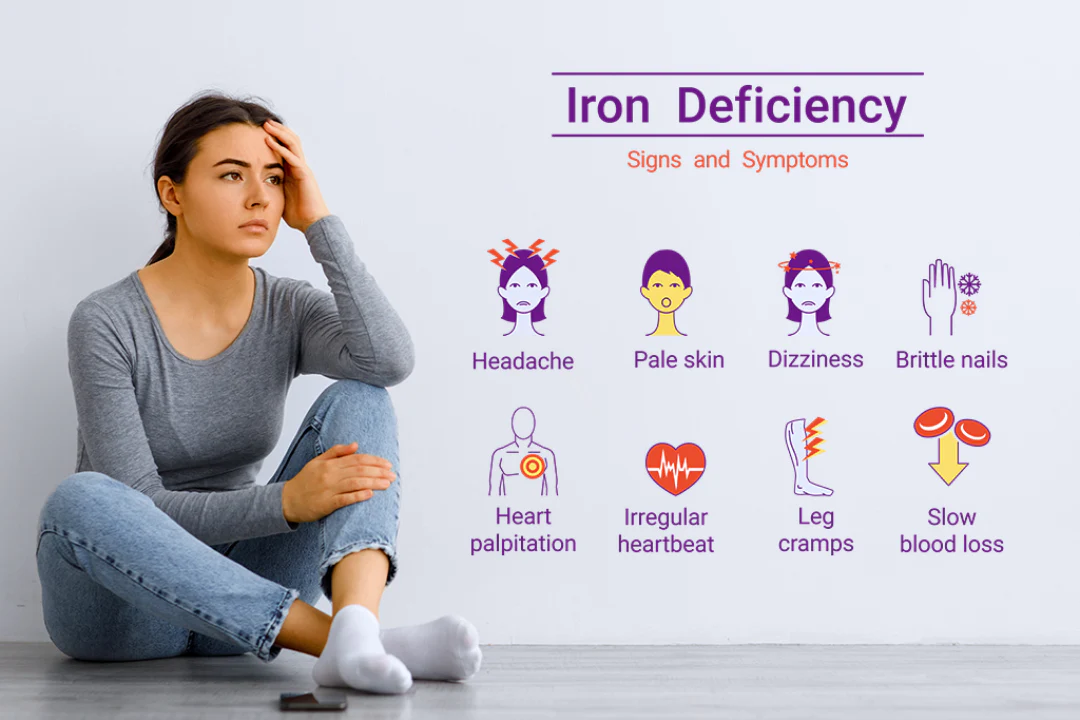
- Feeling tired all day
- Difficulty concentrating
- Low motivation
- Weakness during routine tasks
Persistent fatigue should never be ignored.
- Pale Skin and Dark Under-Eyes
Low iron levels can reduce healthy blood circulation, making the skin appear pale or dull.
Common Appearance Changes
- Pale face
- Light-colored gums
- Dark circles under eyes
- Loss of healthy skin glow
Many women notice these signs before discovering they have iron deficiency anemia.
- Hair Fall and Weak Nails
Iron deficiency may affect hair growth and nail strength because the body prioritizes oxygen supply to vital organs first.
Hair and Nail Symptoms
- Increased hair shedding
- Thin hair
- Brittle nails
- Spoon-shaped nails
Hair fall due to iron deficiency is especially common in women.
- Shortness of Breath
When oxygen delivery decreases, even simple activities can feel exhausting.
Common Symptoms
- Difficulty climbing stairs
- Feeling breathless after walking
- Rapid heartbeat during light exercise
Shortness of breath is a common anemia symptom in women with low iron levels.
- Frequent Dizziness and Headaches
The brain requires a constant oxygen supply to function properly.
Low iron can reduce oxygen flow to the brain, causing:
- Headaches
- Lightheadedness
- Dizziness
- Difficulty focusing
Many females mistake these symptoms for stress or dehydration.
- Cold Hands and Feet
Poor circulation caused by low hemoglobin levels can make you feel cold frequently.
Signs Include
- Cold fingers
- Cold feet
- Feeling chilly easily
This symptom often occurs alongside fatigue and weakness.
- Fast or Irregular Heartbeat
The heart may work harder to compensate for reduced oxygen delivery.
Possible Heart-Related Symptoms
- Rapid heartbeat
- Heart palpitations
- Chest discomfort
- Feeling weak during physical activity
Severe iron deficiency anemia may strain the cardiovascular system over time.
- Cravings for Non-Food Items (Pica)
Some women with severe iron deficiency develop unusual cravings called pica.
Common Pica Cravings
- Ice
- Clay
- Chalk
- Dirt
Craving ice frequently is surprisingly linked to iron deficiency in some individuals.
- Poor Focus and Brain Fog
Iron supports healthy brain function and oxygen delivery.
Low iron levels may lead to:
- Brain fog
- Poor concentration
- Memory problems
- Mental fatigue
Women often report reduced productivity and mental clarity.
- Weakened Immune System
Iron deficiency may weaken immunity, making the body more vulnerable to infections.
Signs of Low Immunity
- Frequent illness
- Slow recovery
- Weakness during sickness
Maintaining healthy iron levels supports overall immune health.
Common Causes of Iron Deficiency in Women
Understanding the root cause is essential for proper treatment.
Main Causes
Heavy Menstrual Bleeding
One of the leading causes of iron deficiency in females.
Pregnancy
Pregnant women require more iron to support the baby’s growth.
Poor Diet
Low intake of iron-rich foods may contribute to deficiency.
Digestive Issues
Conditions affecting nutrient absorption can lower iron levels.
Frequent Blood Donation
Repeated blood loss may reduce iron stores.
Best Iron Rich Foods for Females
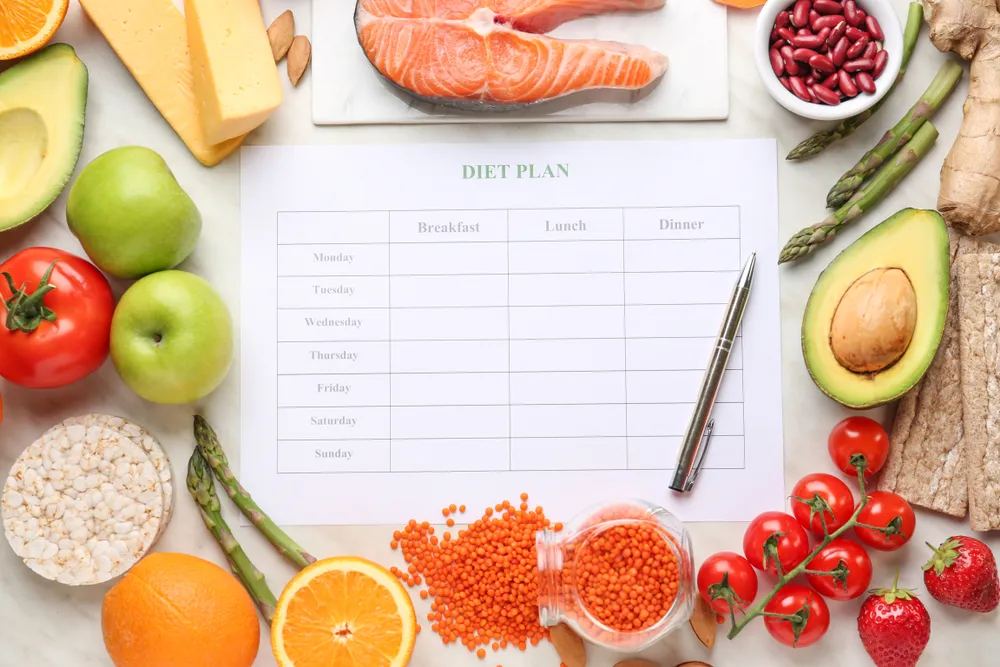
Eating iron-rich foods regularly is one of the best natural ways to improve iron levels.
Animal-Based Iron Sources
- Red meat
- Liver
- Chicken
- Fish
- Eggs
These contain heme iron, which is easier for the body to absorb.
Plant-Based Iron Foods
- Spinach
- Lentils
- Beans
- Tofu
- Pumpkin seeds
- Chickpeas
These contain non-heme iron and absorb better when combined with vitamin C foods.
Vitamin C Helps Iron Absorption
Vitamin C improves the body’s ability to absorb iron.
Best Vitamin C Foods
- Oranges
- Lemons
- Strawberries
- Bell peppers
- Tomatoes
Combining spinach with lemon juice or eating citrus fruits with meals can improve iron absorption naturally.
This creates excellent internal linking opportunities with your vitamin C and immunity blogs.
Foods and Drinks That Reduce Iron Absorption
Some foods may interfere with iron absorption if consumed excessively.
Limit Around Iron-Rich Meals
- Tea
- Coffee
- Excess calcium
- Processed foods
Spacing these foods away from iron-rich meals may help improve absorption.
Natural Ways to Improve Iron Levels
Healthy Lifestyle Tips
- Eat iron-rich foods daily
- Combine iron with vitamin C
- Avoid skipping meals
- Stay hydrated
- Treat underlying causes
- Get regular blood tests if symptoms persist
Consistency is important for restoring healthy iron levels naturally.
When Should You See a Doctor?
You should seek medical advice if you experience:
- Severe fatigue
- Ongoing dizziness
- Heavy periods
- Shortness of breath
- Frequent weakness
- Persistent hair loss
A blood test can confirm iron deficiency anemia and determine the best treatment plan.
Iron Deficiency During Pregnancy
Pregnancy increases iron needs significantly.
Low iron during pregnancy may increase risks such as:
- Fatigue
- Premature birth
- Low birth weight
- Weakness
Pregnant women should monitor iron levels regularly under medical guidance.
Final Thoughts
Iron deficiency symptoms in females are extremely common but often overlooked. Fatigue, pale skin, hair fall, dizziness, and weakness are not always “normal” — they may indicate low iron levels or anemia.
Recognizing early symptoms and improving your diet with iron-rich foods can support better energy, stronger immunity, healthier hair, and overall wellness.
A balanced diet, proper nutrition, and healthy habits can go a long way in preventing iron deficiency naturally.
FAQs
- What are the first signs of iron deficiency in females?
Fatigue, weakness, pale skin, dizziness, and hair fall are common early signs.
- Why are women more likely to have anemia?
Women lose blood during menstruation and require more iron during pregnancy.
- Which foods are highest in iron?
Red meat, spinach, lentils, beans, and liver are rich in iron.
- Can low iron cause hair loss?
Yes, iron deficiency may contribute to hair thinning and excessive hair fall.
- How can I increase iron naturally?
Eat more iron-rich foods and combine them with vitamin C sources for better absorption.
- Does iron deficiency cause headaches?
Yes, reduced oxygen supply to the brain may trigger headaches and dizziness.
- Can iron deficiency affect mood?
Low iron levels may contribute to fatigue, irritability, and poor concentration.
- How long does it take to improve iron levels?
Improvement varies, but consistent dietary changes and treatment may show results within weeks to months.