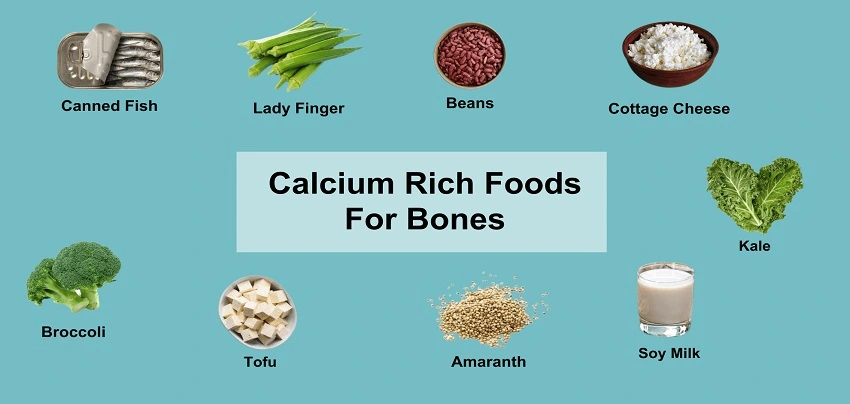
Calcium is one of the most essential minerals your body needs for maintaining strong bones, healthy teeth, muscle function, and overall wellness. Yet many people don’t consume enough calcium-rich foods daily, increasing the risk of weak bones, osteoporosis, and dental problems later in life.
If you’re searching for the best calcium foods to improve your bone health diet naturally, this complete guide covers everything you need to know. From dairy products to plant-based calcium sources, you’ll discover the top foods rich in calcium and practical ways to include them in your daily meals.
Calcium works even better when combined with vitamin D because vitamin D helps your body absorb calcium effectively. If you’ve already read our guide on vitamin D benefits and deficiency symptoms, this article will perfectly complement your bone health journey.
Why Calcium Is Important for Your Body
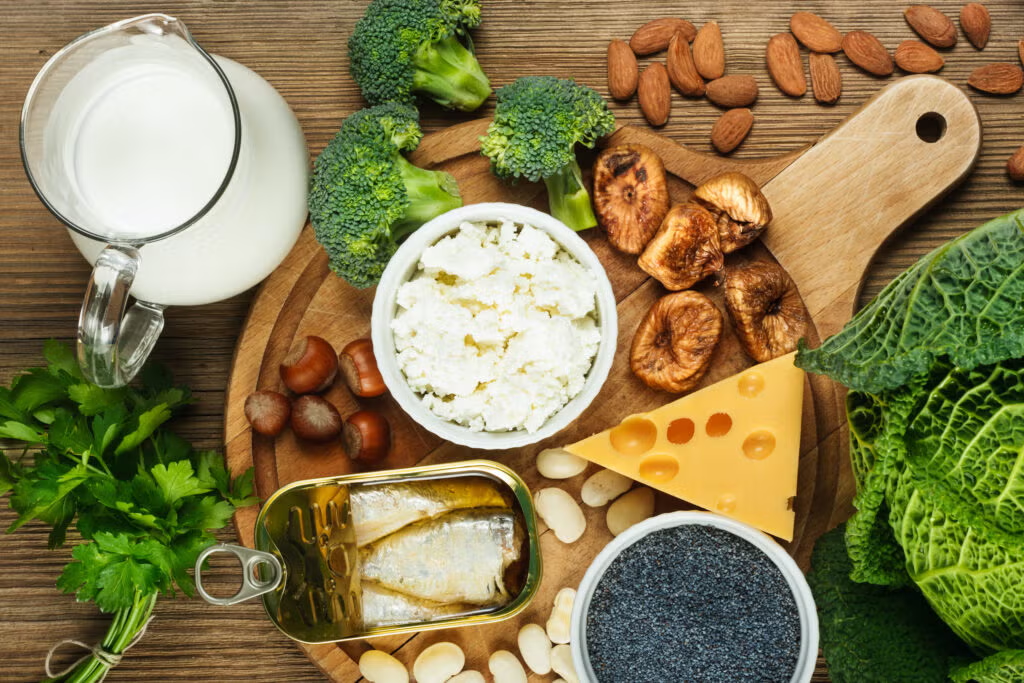
About 99% of the calcium in your body is stored in your bones and teeth. The remaining calcium supports critical body functions including:
- Muscle movement
- Heart function
- Nerve signaling
- Hormone release
- Blood clotting
Without enough calcium intake, your body may pull calcium from your bones, gradually weakening them over time.
Signs You May Not Be Getting Enough Calcium
Many people don’t realize they have low calcium intake until symptoms appear.
Common Signs of Calcium Deficiency
- Weak or brittle bones
- Frequent muscle cramps
- Tooth problems
- Fatigue
- Weak nails
- Joint discomfort
- Tingling sensations
- Increased risk of fractures
A healthy calcium-rich diet can help support long-term bone strength and overall health.
How Much Calcium Do You Need Daily?
Daily calcium needs vary by age and gender.
Recommended Calcium Intake
- Adults: 1000 mg daily
- Women over 50: 1200 mg daily
- Teenagers: 1300 mg daily
- Older adults: 1200 mg daily
Meeting these requirements through natural calcium foods is often the healthiest approach.
- Milk – One of the Best Calcium Foods
Milk is one of the most popular and effective sources of calcium.
Benefits of Milk for Bone Health
- High calcium content
- Rich in protein
- Supports strong teeth
- Often fortified with vitamin D
A single glass of milk provides a significant portion of your daily calcium requirement.
- Yogurt Supports Gut and Bone Health
Yogurt is not only rich in calcium but also contains probiotics that support digestion.
Why Yogurt Is Great for Bones
- Excellent calcium source
- Contains healthy bacteria
- Supports immunity
- Easy to digest
Greek yogurt is especially high in protein and beneficial nutrients.
- Cheese Contains High Amounts of Calcium
Cheese is another calcium-rich dairy product that supports healthy bones and teeth.
Best Calcium-Rich Cheeses
- Parmesan
- Mozzarella
- Cheddar
- Cottage cheese
However, some cheeses may contain high sodium levels, so moderation is important.
- Leafy Green Vegetables
Many green vegetables are naturally rich in calcium and ideal for people who avoid dairy.
Best Vegetables for Calcium
- Kale
- Spinach
- Bok choy
- Collard greens
- Broccoli
These vegetables also provide fiber, antioxidants, and vitamins that support overall health.
- Almonds – A Healthy Calcium Snack
Almonds are among the best nuts for calcium and bone health.
Benefits of Almonds
- Rich in healthy fats
- High in magnesium
- Good plant-based calcium source
- Supports heart health
Adding almonds to smoothies, oatmeal, or snacks is an easy way to increase calcium intake naturally.
- Sardines and Salmon with Bones
Certain fish contain edible bones that are packed with calcium.
Best Fish for Calcium
- Sardines
- Canned salmon
These fish are also rich in omega-3 fatty acids and vitamin D, making them excellent for bone health.
- Tofu for Plant-Based Calcium
Tofu is a popular plant-based protein and calcium-rich food, especially for vegetarians and vegans.
Why Tofu Is Beneficial
- High in calcium
- Rich in protein
- Versatile in meals
- Supports muscle and bone health
Calcium-set tofu contains especially high levels of calcium.
- Chia Seeds and Sesame Seeds
Seeds are nutritional powerhouses that provide calcium along with healthy fats and minerals.
Best Seeds for Calcium
Chia Seeds
Rich in calcium, fiber, and omega-3 fatty acids.
Sesame Seeds
A traditional natural calcium source used in many diets worldwide.
You can sprinkle these seeds on yogurt, salads, smoothies, or oatmeal.
- Fortified Plant-Based Milk
People who avoid dairy can still meet calcium needs through fortified plant milk.
Calcium-Fortified Options
- Almond milk
- Soy milk
- Oat milk
Always check labels to ensure calcium and vitamin D fortification.
- Beans and Lentils
Beans and lentils provide moderate calcium while offering fiber and plant-based protein.
Best Legumes for Bone Health
- White beans
- Chickpeas
- Lentils
- Kidney beans
They’re excellent additions to a healthy bone health diet.
The Connection Between Vitamin D and Calcium
Calcium absorption depends heavily on vitamin D. Without enough vitamin D, your body cannot effectively absorb calcium from food.
Why Vitamin D Matters
Vitamin D helps:
- Strengthen bones
- Improve calcium absorption
- Support immunity
- Reduce bone weakness
This is why calcium-rich foods and vitamin D work best together. You can internally link this article with your vitamin D deficiency or vitamin D foods blog for stronger SEO and better user engagement.
Foods That May Weaken Bone Health
Some dietary habits may negatively affect calcium absorption and bone strength.
Limit These Foods
- Excess soda
- Processed foods
- High sodium foods
- Excess caffeine
- Excess sugar
Balanced nutrition is essential for maintaining healthy bones naturally.
Best Daily Diet Tips for Strong Bones
Easy Bone Health Habits
- Eat calcium-rich foods daily
- Get enough sunlight for vitamin D
- Exercise regularly
- Avoid smoking
- Stay physically active
- Include protein-rich foods
Simple lifestyle habits can significantly improve bone strength over time.
Best Calcium Rich Foods for Kids
Children need calcium for healthy growth and strong teeth.
Healthy Calcium Foods for Children
- Milk
- Yogurt
- Cheese
- Almond butter
- Smoothies
- Fortified cereals
Developing healthy eating habits early supports lifelong bone health.
Best Calcium Foods for Older Adults
As people age, bone density naturally decreases.
Important Calcium Foods for Seniors
- Yogurt
- Leafy greens
- Fortified milk
- Fish with bones
- Tofu
Regular calcium intake helps reduce the risk of osteoporosis and fractures.
Can You Get Enough Calcium Without Dairy?
Yes, many plant-based foods contain calcium.
Non-Dairy Calcium Sources
- Tofu
- Chia seeds
- Almonds
- Kale
- Fortified plant milk
- Beans
A well-balanced plant-based diet can provide adequate calcium naturally.
Final Thoughts
Eating calcium rich foods regularly is one of the best ways to support strong bones, healthy teeth, and long-term wellness. Whether you prefer dairy products, leafy greens, seeds, or fortified plant foods, there are plenty of natural calcium sources available for every lifestyle.
Combining calcium foods with enough vitamin D, exercise, and healthy habits can significantly improve bone health and reduce future risks of bone weakness.
Small dietary improvements today can help protect your bones for years to come.
FAQs
- What foods are highest in calcium?
Milk, yogurt, cheese, sardines, tofu, almonds, and leafy greens are among the highest calcium-rich foods.
- Which fruit is rich in calcium?
Figs, oranges, and kiwi contain small amounts of calcium and support overall health.
- Is calcium important for teeth?
Yes, calcium helps maintain strong teeth and supports dental health.
- Can I get calcium without dairy?
Yes, plant-based foods like tofu, almonds, chia seeds, and fortified milk provide calcium.
- What vitamin helps absorb calcium?
Vitamin D helps the body absorb calcium effectively.
- How can I improve bone health naturally?
Eating calcium-rich foods, exercising regularly, and getting enough vitamin D can improve bone health naturally.
- Are eggs high in calcium?
Eggs contain small amounts of calcium but are not considered a major calcium source.
- What happens if you don’t get enough calcium?
Low calcium intake may weaken bones and increase the risk of fractures and osteoporosis.