Iron-Rich Foods for Women: The Ultimate Guide to Better Health
Iron is one of the most important minerals every woman needs for a healthy body. Yet, iron deficiency remains one of the most common nutritional problems affecting millions of women worldwide. Whether you’re a teenager, a working professional, pregnant, breastfeeding, or approaching menopause, maintaining healthy iron levels is essential for energy, immunity, brain function, and overall well-being.
Many women experience fatigue, weakness, dizziness, headaches, and poor concentration without realizing that low iron levels may be the cause. Fortunately, making simple dietary changes by including more iron-rich foods can significantly improve your health.
In this comprehensive guide, you’ll discover the best iron-rich foods for women, daily iron requirements, foods that improve iron absorption, foods to avoid when taking iron, meal ideas, and expert nutrition tips.
Why Is Iron Important for Women?
Iron is a vital mineral responsible for producing hemoglobin, a protein in red blood cells that carries oxygen throughout the body. Without enough iron, your organs and muscles don’t receive adequate oxygen, resulting in fatigue and reduced physical performance.
Women require more iron than men because of:
- Monthly menstrual blood loss
- Pregnancy
- Breastfeeding
- Rapid growth during adolescence
- Heavy menstrual cycles
- Certain medical conditions
Iron also supports:
- Healthy immune function
- Brain development
- Healthy pregnancy
- Hormone production
- Muscle strength
- Healthy skin and hair
- Better concentration and memory
Signs of Iron Deficiency in Women
Many women ignore early symptoms because they appear similar to stress or exhaustion.
Common signs include:
- Constant tiredness
- Weakness
- Pale skin
- Shortness of breath
- Frequent headaches
- Dizziness
- Hair loss
- Brittle nails
- Cold hands and feet
- Difficulty concentrating
- Restless legs
- Increased heart rate
If symptoms continue, consult a healthcare professional for blood testing.
Daily Iron Requirements for Women
The recommended daily iron intake varies by age and life stage.
| Age Group | Recommended Iron Intake |
| Girls (14–18 years) | 15 mg/day |
| Women (19–50 years) | 18 mg/day |
| Pregnant Women | 27 mg/day |
| Breastfeeding Women | 9–10 mg/day |
| Women (51+ years) | 8 mg/day |
Types of Iron in Food
There are two forms of dietary iron.
- Heme Iron
Heme iron comes from animal-based foods and is absorbed more efficiently by the body.
Sources include:
- Beef
- Chicken
- Turkey
- Fish
- Lamb
- Liver
- Seafood
- Non-Heme Iron
Non-heme iron comes from plant-based foods.
Sources include:
- Beans
- Lentils
- Spinach
- Tofu
- Nuts
- Seeds
- Whole grains
Although absorption is lower, combining these foods with vitamin C significantly improves iron absorption.
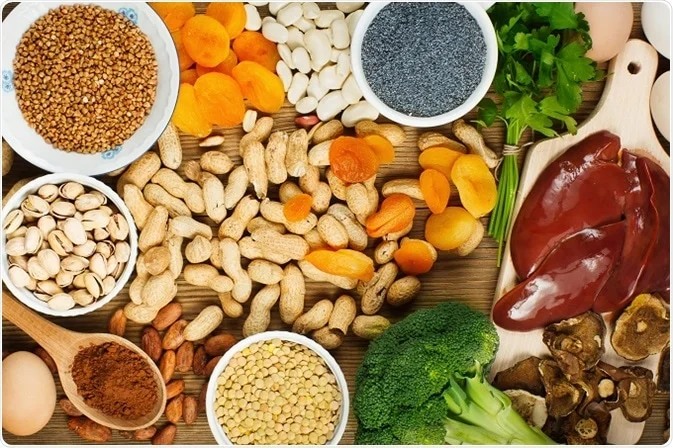
Top 20 Iron-Rich Foods for Women
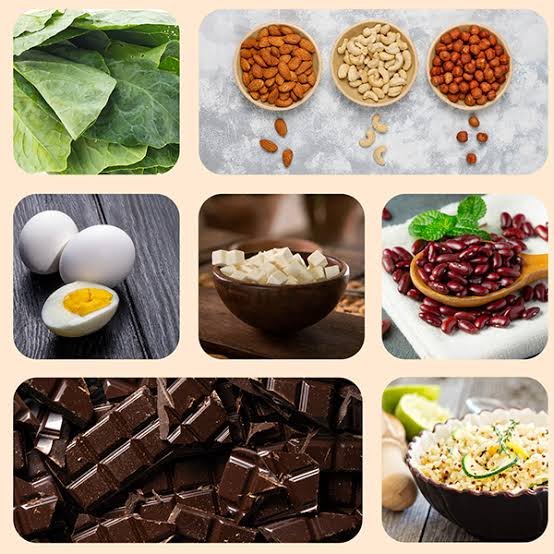
- Spinach
Spinach is one of the most popular iron-rich vegetables.
Benefits:
- Rich in iron
- High in vitamin A
- Packed with antioxidants
- Supports eye health
Ways to eat:
- Smoothies
- Salads
- Soups
- Stir-fries
- Lentils
Lentils are an excellent vegetarian source of iron and protein.
Benefits:
- High fiber
- Supports digestion
- Affordable
- Keeps you full longer
- Chickpeas
Chickpeas provide iron, protein, and complex carbohydrates.
Enjoy them as:
- Hummus
- Salads
- Curries
- Roasted snacks
- Red Meat
Lean beef is among the richest natural sources of highly absorbable heme iron.
Benefits include:
- Vitamin B12
- Zinc
- Protein
- Chicken Liver
Liver is one of the highest iron-containing foods available.
It also contains:
- Vitamin A
- Folate
- Vitamin B12
Consume in moderation due to its high vitamin A content.
- Pumpkin Seeds
These tiny seeds contain surprising amounts of iron.
Other nutrients include:
- Magnesium
- Zinc
- Healthy fats
- Protein
- Tofu
Tofu is an excellent choice for vegetarians and vegans.
Benefits:
- Plant protein
- Calcium
- Iron
- Low saturated fat
- Quinoa
Unlike many grains, quinoa contains complete protein along with iron.
Perfect for:
- Salads
- Bowls
- Side dishes
- Oats
Oats provide iron, fiber, and long-lasting energy.
Add:
- Berries
- Nuts
- Seeds
- Fresh fruit
- Dark Chocolate
Dark chocolate with high cocoa content provides iron while satisfying sweet cravings.
Choose chocolate with at least 70% cocoa.
- Beans
Excellent options include:
- Kidney beans
- Black beans
- Navy beans
- Pinto beans
- Sardines
Sardines are rich in:
- Iron
- Omega-3 fatty acids
- Calcium
- Vitamin D
- Tuna
Tuna provides lean protein alongside iron.
Use fresh or canned varieties.
- Shellfish
Oysters, clams, and mussels are among the richest seafood sources of iron.
- Eggs
Eggs provide moderate amounts of iron along with high-quality protein.
- Broccoli
Broccoli contains iron and vitamin C, making it especially beneficial for absorption.
- Dried Apricots
A healthy snack rich in:
- Iron
- Fiber
- Potassium
- Raisins
Raisins provide a convenient plant-based iron source.
- Sesame Seeds
Sprinkle them on:
- Salads
- Yogurt
- Smoothies
- Bread
- Fortified Breakfast Cereals
Many cereals are fortified with iron and other essential vitamins.
Choose products low in added sugar.
Best Fruits That Help Increase Iron Levels
Although fruits usually contain small amounts of iron, many improve iron absorption because they are rich in vitamin C.
Best fruits include:
- Oranges
- Kiwi
- Strawberries
- Guava
- Pineapple
- Mango
- Papaya
- Lemon
Foods That Increase Iron Absorption
Pair iron-rich foods with:
- Citrus fruits
- Bell peppers
- Tomatoes
- Broccoli
- Kiwi
- Strawberries
- Lemon juice
Example combinations:
- Spinach with lemon juice
- Lentil soup with tomatoes
- Oatmeal with strawberries
- Chickpea salad with bell peppers
Foods That Reduce Iron Absorption
Avoid consuming these immediately with iron-rich meals:
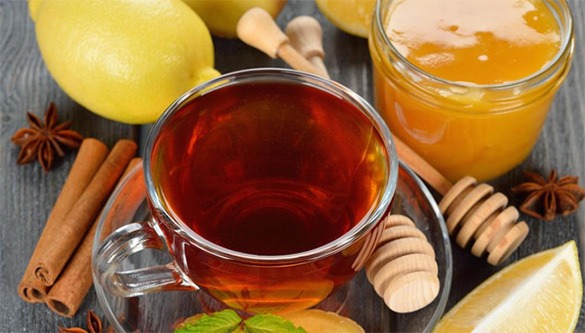
- Tea
- Coffee
- Excess dairy
- Calcium supplements
- Large amounts of bran
Wait one to two hours before or after your iron-rich meal.
Best Iron-Rich Vegetarian Foods
Vegetarian women can meet their iron needs through:
- Lentils
- Chickpeas
- Beans
- Spinach
- Tofu
- Quinoa
- Pumpkin seeds
- Sesame seeds
- Oats
- Fortified cereals
Always pair with vitamin C-rich foods.
Best Iron-Rich Foods During Pregnancy
Pregnant women have increased iron needs because of growing blood volume and fetal development.
Recommended foods:
- Lean beef
- Spinach
- Lentils
- Eggs
- Fortified cereals
- Beans
- Chicken
- Fish (low in mercury)
- Pumpkin seeds
Always follow your healthcare provider’s advice regarding iron supplements.
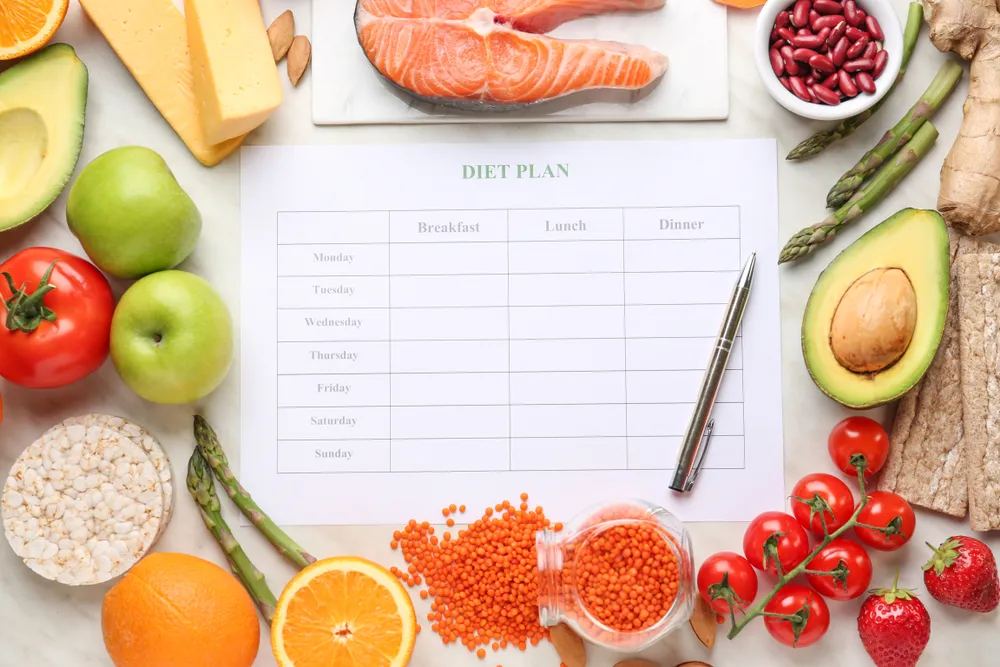
Easy Iron-Rich Meal Ideas
Breakfast
- Oatmeal with raisins, pumpkin seeds, and strawberries
Lunch
- Lentil soup with spinach
- Whole-grain bread
- Orange slices
Snack
- Roasted chickpeas
- Dried apricots
Dinner
- Grilled chicken
- Quinoa
- Broccoli
- Bell pepper salad
Lifestyle Tips to Prevent Iron Deficiency
- Eat iron-rich foods daily.
- Include vitamin C with meals.
- Avoid excessive tea and coffee during meals.
- Maintain a balanced diet.
- Get regular health check-ups.
- Follow medical advice during pregnancy.
- Exercise regularly.
- Stay hydrated.
Common Myths About Iron
Myth: Only vegetarians become iron deficient.
Fact: Anyone can develop iron deficiency.
Myth: Spinach alone cures anemia.
Fact: Iron deficiency usually requires a balanced diet and sometimes supplements.
Myth: Iron supplements are always necessary.
Fact: Many women can maintain healthy iron levels through diet, depending on the cause of deficiency.
Final Thoughts
Iron plays a critical role in women’s health at every stage of life. From supporting energy production and brain function to maintaining healthy pregnancies and strong immunity, adequate iron intake is essential.
The good news is that there are plenty of delicious, affordable, and nutrient-rich foods that can help maintain healthy iron levels naturally. By combining iron-rich foods with vitamin C-rich fruits and vegetables while limiting foods that interfere with absorption, you can significantly improve your nutritional status.
If you experience persistent symptoms of iron deficiency, consult a qualified healthcare professional for evaluation and personalized treatment.
Frequently Asked Questions (FAQs)
- Which food has the highest iron content?
Chicken liver, beef liver, oysters, clams, and lean red meat are among the richest natural sources of iron.
- What fruit is highest in iron?
Dried apricots, raisins, mulberries, and prunes contain more iron than most fresh fruits. Vitamin C-rich fruits like oranges and guava also help your body absorb iron more effectively.
- Can vegetarians get enough iron?
Yes. Lentils, beans, tofu, spinach, quinoa, pumpkin seeds, sesame seeds, and fortified cereals can provide sufficient iron when eaten as part of a balanced diet.
- What are the first signs of low iron in women?
Common symptoms include fatigue, weakness, pale skin, dizziness, headaches, shortness of breath, brittle nails, and hair loss.
- Which foods should not be eaten with iron-rich meals?
Tea, coffee, calcium-rich dairy products, and calcium supplements can reduce iron absorption if consumed with iron-rich foods.
- How can I absorb more iron naturally?
Eat iron-rich foods with vitamin C-rich foods such as oranges, lemons, strawberries, tomatoes, bell peppers, and broccoli. Avoid tea and coffee during meals.
- Do women need more iron than men?
Yes. Women of reproductive age generally need more iron because of menstrual blood loss, and requirements increase further during pregnancy.
- Can iron-rich foods help with fatigue?
If fatigue is caused by iron deficiency, increasing dietary iron and treating the deficiency can improve energy levels over time.