Healthy Foods During Periods: What to Eat to Feel Better Naturally
Periods are a natural part of every woman’s life, but they often come with uncomfortable symptoms such as cramps, bloating, fatigue, mood swings, headaches, and food cravings. While painkillers may offer temporary relief, your diet plays a much bigger role in managing menstrual discomfort than many people realize.
Eating the right healthy foods during periods can help reduce inflammation, replenish nutrients lost through bleeding, improve mood, and give your body the energy it needs.
In this guide, you’ll discover the best foods to eat during your period, foods to avoid, and nutrition tips backed by health experts.
Why Nutrition Matters During Your Period
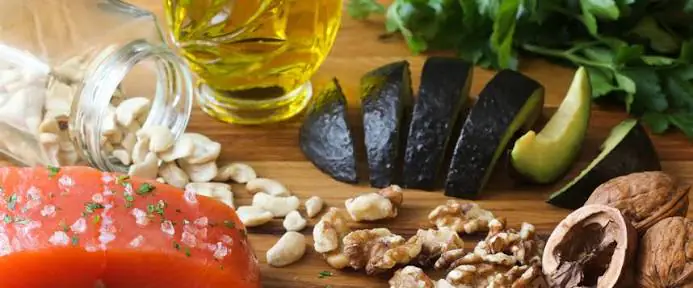
During menstruation, your body loses iron and experiences hormonal fluctuations that affect your mood, digestion, and energy levels.
A balanced diet can help:
- Reduce menstrual cramps naturally
- Replace lost iron
- Improve energy levels
- Reduce bloating
- Balance hormones
- Improve mood swings
- Support overall reproductive health
Making healthier food choices during your cycle can significantly improve how you feel every month.
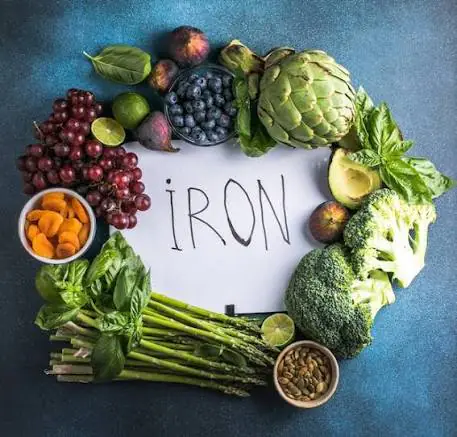
- Iron-Rich Foods to Prevent Fatigue
Heavy menstrual bleeding can lower your iron levels, leading to tiredness, dizziness, and weakness.
Best Iron-Rich Foods
- Spinach
- Kale
- Lentils
- Chickpeas
- Kidney beans
- Lean beef
- Chicken liver
- Pumpkin seeds
- Tofu
Pair these foods with vitamin C-rich fruits like oranges or strawberries to improve iron absorption.
Keywords: iron-rich foods for periods, foods for heavy periods, period fatigue remedies
- Leafy Green Vegetables
Leafy greens are rich in iron, calcium, magnesium, and antioxidants.
Examples include:
- Spinach
- Swiss chard
- Broccoli
- Fenugreek leaves
- Mustard greens
These nutrients help reduce muscle cramps and replenish minerals lost during menstruation.
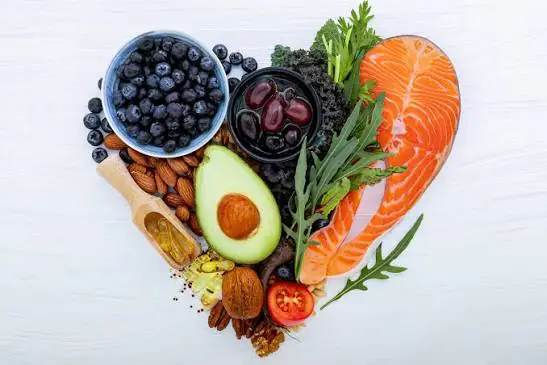
- Fatty Fish Rich in Omega-3
Omega-3 fatty acids have natural anti-inflammatory properties that may reduce menstrual pain.
Best choices include:
- Salmon
- Sardines
- Tuna
- Mackerel
Research suggests women who regularly consume omega-3-rich foods often experience less severe menstrual cramps.
Keywords: foods that reduce period cramps naturally
- Bananas
Bananas are packed with:
- Potassium
- Vitamin B6
- Magnesium
They help reduce bloating, muscle cramps, and improve mood.
Bananas also satisfy sweet cravings in a healthier way.
- Dark Chocolate
Good news for chocolate lovers!
Dark chocolate (70% cocoa or higher) contains:
- Magnesium
- Iron
- Antioxidants
It may help improve mood, reduce cravings, and ease muscle tension.
Remember to consume it in moderation.
- Yogurt and Probiotic Foods
Hormonal changes may affect digestion during menstruation.
Probiotic foods help maintain gut health.
Choose:
- Plain yogurt
- Kefir
- Fermented foods
These can reduce bloating and improve digestion.
- Whole Grains
Whole grains provide slow-releasing carbohydrates that stabilize blood sugar levels.
Healthy options include:
- Oats
- Brown rice
- Quinoa
- Whole wheat bread
They help reduce cravings and maintain energy throughout the day.
- Nuts and Seeds
Nuts are nutritional powerhouses.
Best choices include:
- Almonds
- Walnuts
- Flaxseeds
- Chia seeds
- Pumpkin seeds
They contain healthy fats, protein, magnesium, and zinc, all of which support hormonal balance.
- Fresh Fruits
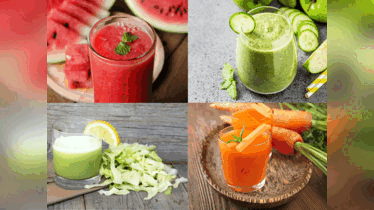
Fruits help hydrate the body while providing vitamins and antioxidants.
Excellent choices include:
- Watermelon
- Apples
- Oranges
- Berries
- Kiwi
- Pineapple
Pineapple contains bromelain, an enzyme that may help relax muscles and reduce cramps.
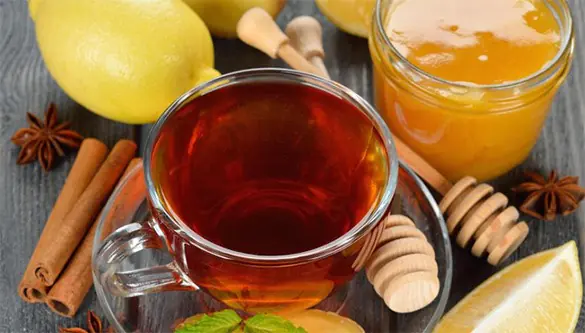
- Ginger
Ginger has been widely studied for its anti-inflammatory effects.
It may help:
- Reduce nausea
- Ease menstrual pain
- Improve digestion
Drink ginger tea or add fresh ginger to meals.
- Turmeric
Turmeric contains curcumin, a natural compound known for reducing inflammation.
Adding turmeric to soups, curries, or warm milk may help relieve menstrual discomfort.
- Plenty of Water
Hydration is often overlooked.
Drinking enough water can:
- Reduce headaches
- Ease bloating
- Improve digestion
- Prevent dehydration
- Support energy levels
Aim for at least 8–10 glasses daily.
Foods to Avoid During Periods
Certain foods may worsen symptoms.
Limit:
Salty Foods
Increase bloating and water retention.
Sugary Snacks
Cause energy crashes and worsen mood swings.
Highly Processed Foods
Often contain excess sodium and unhealthy fats.
Excess Caffeine
May increase anxiety, headaches, and breast tenderness.
Alcohol
Can contribute to dehydration and worsen PMS symptoms.
Sample Healthy Meal Plan During Periods
Breakfast
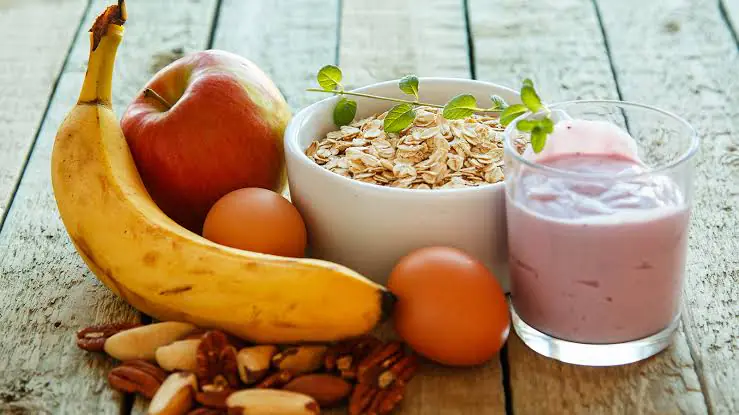
Oatmeal with banana, chia seeds, and almonds.
Mid-Morning Snack
Greek yogurt with berries.
Lunch
Grilled salmon with brown rice and steamed broccoli.
Evening Snack
Dark chocolate with mixed nuts.
Dinner
Spinach and lentil soup with whole-grain bread.
Drinks
Water, ginger tea, herbal tea, or coconut water.
Lifestyle Tips to Feel Better During Your Period
Besides eating nutritious foods:
- Get enough sleep.
- Exercise lightly with walking or yoga.
- Reduce stress through meditation.
- Stay hydrated.
- Avoid skipping meals.
These habits work together with a healthy diet to improve menstrual health.
Frequently Asked Questions (FAQs)
What is the best food to eat during periods?
Iron-rich foods, leafy greens, bananas, yogurt, salmon, nuts, and whole grains are among the healthiest choices during menstruation.
Can food reduce menstrual cramps?
Yes. Foods rich in magnesium, omega-3 fatty acids, and antioxidants may help reduce inflammation and muscle contractions that cause cramps.
Is chocolate good during periods?
Dark chocolate in moderation can improve mood, provide magnesium, and help ease muscle tension.
Should I drink more water during my period?
Yes. Proper hydration helps reduce bloating, headaches, fatigue, and supports overall health.
Which fruit is best during periods?
Bananas, oranges, berries, watermelon, kiwi, and pineapple are excellent choices because they provide vitamins, hydration, and antioxidants.
Final Thoughts
Your menstrual cycle doesn’t have to be a time of discomfort every month. By choosing healthy foods during periods, you can naturally reduce cramps, improve energy, stabilize your mood, and support your body’s nutritional needs.
Focus on whole, nutrient-dense foods such as leafy greens, fruits, whole grains, healthy fats, lean proteins, and plenty of water. Small dietary changes can make a significant difference in how you feel throughout your cycle.
Remember, every woman is different. If you experience extremely painful or unusually heavy periods, consult a healthcare professional for personalized advice.