Homemade Face Packs for Glowing Skin: Easy Natural Recipes for a Radiant Complexion
Who doesn’t want skin that looks fresh, healthy and naturally radiant?
While a consistent skincare routine is important, you don’t always need an expensive collection of products to give your skin some extra care.
Simple ingredients already available in your kitchen can be used to create homemade face packs for glowing skin.
Homemade face packs can be a relaxing addition to your skincare routine. Depending on the ingredients you choose, they can help temporarily hydrate the skin, remove excess oil, gently exfoliate dead surface cells or leave your complexion looking refreshed.
However, it’s important to remember that natural doesn’t automatically mean risk-free.
Some kitchen ingredients can irritate the skin, especially if they are used too frequently or applied in concentrated amounts.
The key is to choose gentle ingredients, avoid harsh DIY recipes and understand what your skin actually needs.
In this guide, we’ll explore several DIY face packs for glowing skin, suitable for different skin types and concerns, along with tips for using them safely.
What Is a Homemade Face Pack?
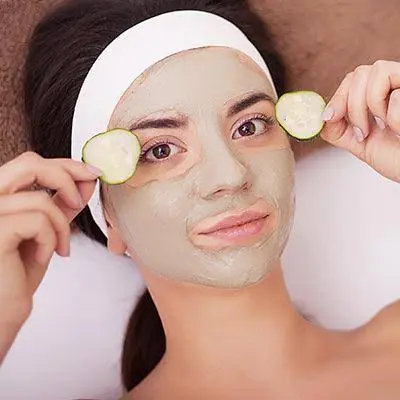
A homemade face pack is a simple skincare mixture prepared using ingredients that may have moisturizing, soothing or cleansing properties.
Common ingredients include:
- Aloe vera
- Oatmeal
- Honey
- Yogurt
- Avocado
- Banana
- Cucumber
- Green tea
Different combinations can provide different benefits.
For example, oatmeal can have soothing properties, while aloe vera is commonly used to provide a cooling and moisturizing feel. Honey can act as a humectant, helping attract and retain moisture on the skin’s surface.
The purpose of a homemade face pack should not be to dramatically transform your skin overnight. Instead, think of it as a gentle self-care treatment that can complement your regular skincare routine.
Benefits of Homemade Face Packs for Glowing Skin

One reason homemade skincare remains popular is its simplicity.
Depending on the ingredients, a face pack may help:
- Add temporary hydration
Ingredients such as aloe vera and honey can help provide moisture and leave the skin feeling softer.
- Soothe the skin
Gentle ingredients such as colloidal oatmeal may help calm the feeling of irritated or dry skin.
- Improve the appearance of dull skin
Gentle exfoliation can remove some dead surface cells, helping the skin appear smoother and fresher.
- Absorb excess oil
Certain ingredients can help temporarily reduce the feeling of excess oil on the skin.
- Provide a relaxing skincare ritual
Sometimes skincare is also about taking a few minutes to slow down and care for yourself.
But homemade face packs aren’t a replacement for treatments recommended by a dermatologist for conditions such as acne, eczema, rosacea or persistent pigmentation.
- Honey and Yogurt Face Pack
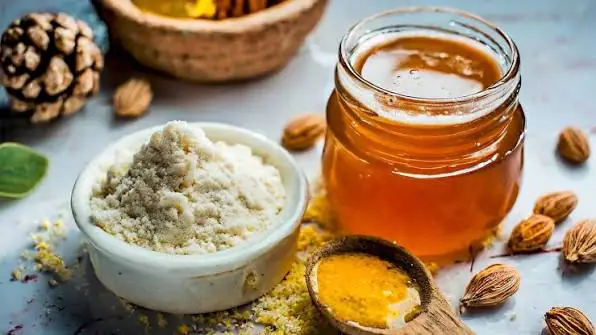
Honey and plain yogurt make a simple combination for people looking for a homemade face pack for glowing skin.
Ingredients
- 1 tablespoon plain unsweetened yogurt
- 1 teaspoon honey
How to use
Mix the ingredients until smooth. Apply a thin layer to clean skin, avoiding the eye area. Leave it on for around 10 minutes and rinse gently with lukewarm water.
Why people like it
Yogurt contains lactic acid, an alpha-hydroxy acid (AHA) that can provide gentle exfoliation. Honey is a humectant and can help the skin feel moisturized.
If your skin is sensitive, however, even mild acids may cause irritation. Always patch-test first.
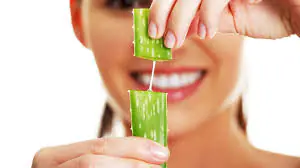
- Aloe Vera Face Pack
Aloe vera is a popular ingredient in soothing skincare products.
Ingredients
- 1–2 tablespoons pure aloe vera gel
You can use plain aloe vera gel on its own rather than mixing it with multiple ingredients.
How to use
Apply a thin layer to clean skin and leave it on for approximately 10–15 minutes. Rinse if needed or follow the product instructions if you’re using a commercially prepared gel.
Benefits
Aloe vera can provide a cooling and moisturizing sensation and may be particularly appealing when skin feels dry or uncomfortable.
Choose a product formulated for facial use when possible and avoid products containing unnecessary fragrance if your skin is sensitive.
- Oatmeal Face Pack
Oatmeal is one of the gentler ingredients commonly used in skincare.
Colloidal oatmeal is recognized for its soothing and skin-protective properties and is used in products designed for dry or irritated skin.
Ingredients
- 1 tablespoon finely ground plain oats
- Enough water or plain yogurt to create a soft paste
How to use
Mix the ingredients and allow the mixture to sit for a few minutes. Apply gently to your face without rubbing aggressively. Leave it for about 10–15 minutes and rinse.
Best suited for
This can be particularly useful for people who want a gentle homemade face pack for dry or sensitive-feeling skin.
Avoid scrubbing the oatmeal mixture into your skin. Physical rubbing can cause irritation.
- Banana and Honey Face Pack
Bananas are often used in DIY beauty recipes because they are soft and easy to mix.
Ingredients
- ½ ripe banana
- 1 teaspoon honey
Mash the banana thoroughly and combine it with honey.
Apply the mixture to clean skin and leave it for around 10 minutes before rinsing.
This face pack can leave skin feeling soft, although there is limited evidence that applying mashed banana directly to the face provides significant long-term skincare benefits.
- Cucumber Face Pack
Cucumber has a high water content and is commonly associated with cooling and refreshing skincare.
Ingredients
- 2–3 tablespoons finely blended cucumber
- 1 tablespoon plain yogurt
Mix and apply a thin layer to the face.
Leave it on for approximately 10 minutes before rinsing.
Why try it?
This can be a refreshing option when your skin feels warm or dehydrated.
Remember that the hydrating effect is generally temporary. For long-lasting skin hydration, a regular moisturizer is more reliable.
- Avocado Face Pack
Avocado contains fats and several nutrients, making it a popular ingredient in homemade skincare.
Ingredients
- ½ ripe avocado
- 1 teaspoon honey
Mash the avocado until smooth and mix in the honey.
Apply for approximately 10–15 minutes and rinse thoroughly.
Best for
This can be appealing for people with dry skin who prefer richer, moisturizing-feeling DIY treatments.
If you have acne-prone or highly sensitive skin, introduce new ingredients carefully.
- Green Tea Face Pack
Green tea contains plant compounds called polyphenols and is widely studied for its antioxidant properties.
Ingredients
- 1 tablespoon cooled brewed green tea
- 1 tablespoon plain aloe vera gel
Mix the ingredients and apply a thin layer.
Leave it on for approximately 10 minutes before rinsing.
Always allow brewed tea to cool completely before applying it to your face.
- Turmeric Face Pack: Use With Caution
Turmeric is a popular ingredient in traditional beauty practices and contains curcumin, a plant compound with antioxidant and anti-inflammatory properties.
However, applying turmeric directly to the face isn’t appropriate for everyone.
Simple option
Mix a very small amount of turmeric with plain yogurt or aloe vera gel.
Apply a thin layer for a short period and rinse thoroughly.
Important caution
Turmeric can temporarily stain the skin yellow and may cause irritation or allergic reactions in some people.
Avoid using large amounts and always perform a patch test before applying it to your entire face.
- Oatmeal and Honey Face Pack
If you’re looking for a simple combination, oatmeal and honey can work well as a gentle DIY option.
Ingredients
- 1 tablespoon finely ground oats
- 1 teaspoon honey
- A small amount of water
Mix into a smooth paste.
Apply without rubbing, leave for around 10 minutes and rinse gently.
This combination can provide a moisturizing and soothing feel without relying on harsh exfoliating ingredients.
- Aloe Vera and Cucumber Face Pack
For a refreshing homemade treatment, combine:
- 1 tablespoon aloe vera gel
- 1 tablespoon blended cucumber
Mix thoroughly and apply to clean skin.
Leave it on for approximately 10 minutes before rinsing.
This can be especially refreshing after spending time outdoors, although it should never be considered a substitute for sunscreen or treatment for sunburn.
Homemade Face Packs According to Skin Type
The best DIY face pack depends partly on your skin type.
For Dry Skin
Look for gentle, moisturizing ingredients such as:
- Aloe vera
- Honey
- Avocado
- Oatmeal
Avoid excessive exfoliation and harsh ingredients that can strip the skin.
For Oily Skin
Simple, lightweight ingredients may be preferable.
You can try:
- Aloe vera
- Oatmeal
- Green tea
Avoid aggressive scrubbing or repeatedly trying to “dry out” oily skin. Over-cleansing can irritate the skin and doesn’t necessarily solve oil production.
For Sensitive Skin
Keep things simple.
Oatmeal and plain aloe vera may be gentler options, but even natural ingredients can trigger irritation.
Avoid DIY recipes containing:
- Lemon juice
- Baking soda
- Undiluted essential oils
- Strong spices
- Rough scrubs
For Combination Skin
You can consider using different approaches on different areas of the face rather than applying the same mask everywhere.
For example, a lightweight aloe vera-based option may suit oilier areas, while a gentle moisturizing option can be used on drier areas.
Ingredients You Should Avoid in Homemade Face Packs
Not every popular kitchen ingredient belongs on your face.
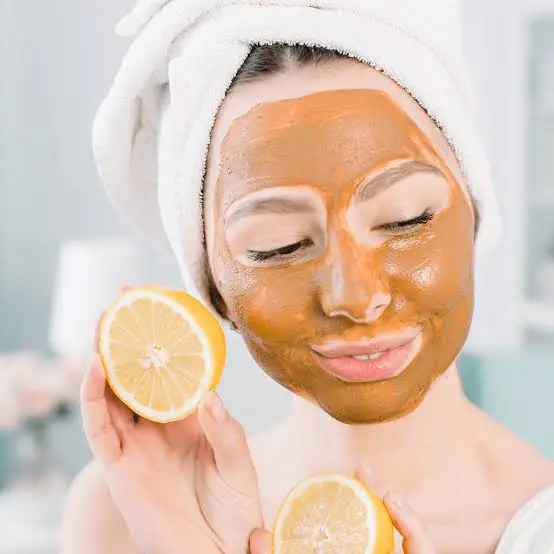
Lemon or lime juice
Citrus juice can irritate the skin and increase sensitivity to sunlight. It can also cause a skin reaction called phytophotodermatitis when certain plant compounds interact with UV exposure.
It’s better to leave lemon juice out of DIY facial recipes.
Baking soda
Baking soda is alkaline and can disrupt the skin’s normal environment. It may cause dryness or irritation.
Undiluted essential oils
Essential oils can cause irritation or allergic contact dermatitis, particularly when applied directly to the skin.
Toothpaste
Despite old DIY acne advice, toothpaste isn’t designed for facial skin and can cause irritation.
Rough sugar or salt scrubs
Scrubbing the face aggressively can damage the skin barrier and worsen irritation.
A homemade face pack should be gentle, not painful.
How Often Should You Use Homemade Face Packs?
There is no universal schedule that works for everyone.
For most gentle DIY face packs, starting with once a week is a reasonable approach. If your skin tolerates the ingredients well, you may adjust your routine based on your skin’s needs.
You don’t need to use multiple face packs every week.
Overdoing DIY skincare can lead to irritation, dryness or a damaged skin barrier.
If your skin starts feeling:
- Tight
- Burning
- Itchy
- Excessively dry
- Red
- Sore
stop using the product and allow your skin to recover.
Always Patch-Test New Ingredients
Before trying a new homemade face pack, perform a patch test.
Apply a small amount of the mixture to a small area of skin, preferably somewhere less noticeable. Wait to see whether you develop irritation, redness, itching or swelling.
Remember that a patch test isn’t a guarantee that a product will never cause a reaction, but it can reduce the risk of exposing your entire face to something your skin doesn’t tolerate.
If you have a history of significant allergies or a diagnosed skin condition, consult a dermatologist before experimenting with DIY skincare.
Homemade Face Packs Are Not a Replacement for a Skincare Routine
A face pack can be a nice addition to your routine, but it shouldn’t replace the basics.
A simple skincare routine generally includes:
Morning
- Gentle cleanser
- Moisturizer
- Broad-spectrum sunscreen
Evening
- Gentle cleanser
- Appropriate treatment, if needed
- Moisturizer
Sunscreen is particularly important if your goal is a brighter, healthier-looking complexion. UV exposure contributes to premature skin aging and pigmentation.
No homemade face pack can undo ongoing sun damage.
Can Homemade Face Packs Give You Glowing Skin Overnight?
This is one of the most common questions about DIY skincare.
The honest answer is not really.
A gentle face pack may temporarily make your skin feel softer, smoother or more hydrated. Removing surface buildup can also make the skin look fresher.
But healthy-looking skin develops through consistent habits rather than a single treatment.
Factors such as:
- Sun protection
- Nutrition
- Hydration
- Sleep
- Stress management
- Gentle skincare
- Avoiding smoking
- Treating underlying skin conditions
can have a much greater impact over time.
So instead of looking for an overnight transformation, focus on consistent skin care and healthy lifestyle habits.
Frequently Asked Questions
Which homemade face pack is best for glowing skin?
There isn’t one best face pack for everyone. Aloe vera, oatmeal, honey and yogurt are among the commonly used gentle ingredients, but the right choice depends on your skin type and sensitivity.
How often can I use homemade face packs?
Start with once a week and see how your skin responds. Avoid frequent exfoliation or using multiple new ingredients at the same time.
Is honey good for the face?
Honey can act as a humectant and may help the skin feel moisturized. However, it can still cause irritation or allergy in some individuals, so patch-testing is recommended.
Is turmeric safe for facial skin?
Turmeric can be irritating for some people and can temporarily stain the skin. If you use it, use only a small amount and patch-test first.
Can I use lemon for glowing skin?
It is better to avoid applying lemon or lime juice directly to facial skin. Citrus can cause irritation and can interact with sunlight to produce a skin reaction.
Can homemade face packs remove dark spots?
A homemade face pack shouldn’t be relied upon to remove persistent pigmentation. Dark spots can have many causes and may require targeted skincare or professional treatment.
Final Thoughts
Homemade face packs for glowing skin can be an enjoyable and inexpensive addition to your beauty routine when they’re made with gentle ingredients and used appropriately.
Aloe vera, oatmeal, honey, yogurt, cucumber and avocado are some simple options to explore. However, the fact that an ingredient is natural doesn’t automatically make it safe for everyone.
Avoid harsh DIY ingredients such as lemon juice, baking soda, toothpaste and undiluted essential oils. Don’t scrub aggressively, and always patch-test new ingredients.
Most importantly, remember that glowing skin isn’t created by a single face pack.
Healthy-looking skin is built through consistent care.
A balanced diet, adequate sleep, regular moisturization, gentle cleansing and daily sun protection can all contribute to healthier skin over time.
Use homemade face packs as a relaxing addition to your routine—not as a miracle cure—and your skincare approach will be both more realistic and more sustainable.
Your skin doesn’t need dozens of complicated ingredients. Sometimes, simple and consistent care is the most effective approach.