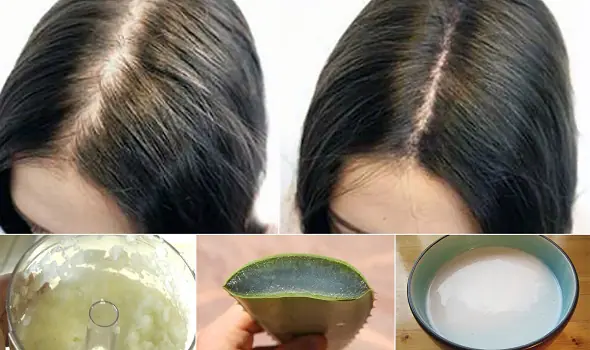
Things That Helped My Hair Fall: The Hair-Care Changes That Made a Difference
There is something strangely upsetting about seeing your own hair everywhere.
A few strands in the shower are normal. A little hair on your brush is normal too. But when you start noticing significantly more hair on your pillow, clothes, bathroom floor, or in your hands after washing it, it can become difficult not to wonder:
Why is my hair falling out so much?
I have been there.
And one thing I learned while trying to deal with hair fall is that there isn’t always one magical product, oil, shampoo, or DIY treatment that suddenly fixes everything.
Sometimes, the more useful approach is much less exciting: look at your overall hair-care routine, your lifestyle, your nutrition, and the way you treat your hair every day.
This is a personal-experience-style guide to the things that helped my hair fall and the changes I found most useful for reducing unnecessary breakage and being gentler with my hair.
It is important to mention that hair shedding can have many different causes. Normal shedding is expected, but excessive shedding can happen after illness, major stress, significant weight loss, childbirth and other triggers. Hair loss can also be associated with hereditary factors, medical conditions, medications, scalp conditions and damaging hair practices.
So, if your hair fall is sudden, severe, patchy, persistent, or accompanied by scalp symptoms, the right answer may not be another hair product. It may be time to speak to a dermatologist.
With that out of the way, here are the changes that helped me approach hair fall differently.
First: Hair Fall and Hair Shedding Aren’t Always the Same Thing
Before getting into what helped me, I think this distinction is important.
The problem is that we don’t usually count individual strands.
Instead, we notice when something changes.
Maybe your hairbrush suddenly looks much fuller than usual. Maybe you’re pulling a noticeable amount of hair out of the drain after washing. Or perhaps your ponytail feels thinner than it used to.
That can be excessive hair shedding, rather than permanent hair loss.
One common type of excessive shedding is called telogen effluvium. It can occur after certain physical or emotional stressors, illness, fever, surgery, significant weight loss or childbirth. Interestingly, the shedding may become noticeable months after the triggering event rather than immediately.
That is one reason I stopped looking at hair fall as something that could always be fixed with a single product.
Sometimes, you have to look at what was happening in your life several weeks or months earlier.
- I Became Much Gentler With My Hair
This was probably one of the biggest changes.
When you’re worried about hair fall, it is tempting to treat your hair more aggressively.
You shampoo harder.
You brush more.
You keep checking how much hair is coming out.
You try different oils.
You massage your scalp aggressively.
You experiment with new products.
But fragile hair doesn’t necessarily benefit from more handling.
Dermatologists recommend treating thinning or shedding hair gently because it can be more vulnerable to damage and breakage. Gentle shampooing, conditioning after washing and careful detangling can help reduce unnecessary damage.
So I started thinking:
The goal isn’t to make my hair survive a complicated routine. The goal is to stop making the routine harder on my hair.
That meant being more careful while washing, brushing and styling.
- I Stopped Treating Every Hair Wash Like a Deep-Cleaning Session

There is a misconception that your scalp needs to be scrubbed aggressively to be “really clean.”
I don’t think that approach is necessary.
Instead, I focused on gently cleansing my scalp and allowing the shampoo to do its job without aggressively rubbing the lengths of my hair.
That small change can make the entire washing process feel less rough.
And if your hair is already dry, tangled or fragile, reducing unnecessary manipulation can be especially helpful.
- Conditioner Became Non-Negotiable

If you have hair fall, you might think:
“Why condition my hair when the problem is hair coming out from the roots?”
That’s a fair question.
Conditioner doesn’t treat every cause of hair loss.
But it can help reduce hair breakage.
And breakage can make your hair look thinner, frizzier and more damaged.
For me, this meant making conditioner part of every wash rather than treating it as an optional extra.
I also became more careful about detangling afterward.
- I Reduced Heat Styling
This one was difficult because I love styling my hair.
Blow-drying, curling, straightening and creating polished hairstyles can make a huge difference to how you feel.
But excessive heat can damage the hair shaft.
So instead of completely banning styling tools, I became more intentional about when I used them.
My mindset changed from:
“I have to style my hair every time it looks messy.”
to:
“Does my hair actually need heat today?”
Sometimes the answer was yes.
Sometimes it wasn’t.
That little bit of restraint helped me reduce unnecessary damage without making me feel like I had to give up styling completely.
- I Stopped Pulling My Hair Back So Tightly
This is something I hadn’t taken seriously enough before.
A tight ponytail can look neat and convenient. So can a slick bun.
But if your hairstyle constantly pulls on the same areas of your scalp, it can cause a type of hair loss called traction alopecia.
The AAD specifically warns that repeated tension from tight ponytails, buns, braids and similar styles can contribute to hair loss.
One simple rule I started following was:
If my hairstyle hurts, it’s too tight.
I also started wearing my hair more loosely when I wasn’t going anywhere.
It sounds simple, but your everyday hairstyle matters more than the occasional fancy hairstyle.
- I Paid More Attention to Breakage
This was another important realization.
Not every strand of hair I saw represented the same problem.
Sometimes what looks like hair fall can actually involve hair breakage.
Hair loss generally involves the hair coming out from the follicle, while breakage happens when the hair shaft snaps.
That means your hair can appear thinner or shorter because it is breaking even when the underlying issue isn’t the same as excessive shedding.
Heat, chemical processing, aggressive brushing and repeated tension can all contribute to hair damage and breakage.
So I stopped asking only:
“How do I stop my hair from falling?”
and started asking:
“How can I stop unnecessarily damaging the hair I already have?”
That shift made my routine much more practical.
- I Became More Careful When Brushing
I used to think that brushing was simply part of grooming.
But when your hair is already fragile, the way you brush matters.
So I stopped aggressively pulling through knots.
Instead, I tried to work through tangles gently.
I also stopped believing the old idea that you need to brush your hair a certain number of strokes every day.
You don’t need a dramatic 100-stroke hair routine.
Your hair needs less unnecessary pulling, not more.
- I Stopped Constantly Changing Hair Products
This one is more about sanity than science.
When you’re experiencing hair fall, it is incredibly easy to buy another shampoo.
Then another oil.
Then another serum.
Then a “hair growth” mask.
Then another supplement.
And suddenly your bathroom looks like a hair-care store.
Instead, I found it more useful to simplify.
A basic routine can be enough:
Gentle shampoo → conditioner → gentle detangling → minimal heat → loose hairstyles.
Of course, the right routine depends on your scalp and hair type.
But more products don’t automatically mean healthier hair.
And if you introduce several products at once, you also make it harder to figure out whether something is helping or irritating your scalp.
- I Started Taking My Diet More Seriously
This doesn’t mean I started following some extreme “hair growth diet.”
Actually, quite the opposite.
I started thinking about whether I was eating enough and whether my meals were reasonably balanced.
This is important because hair supplements are often marketed as the solution.
But taking random supplements isn’t automatically better.
In fact, the AAD cautions that getting too much of certain nutrients can actually worsen hair loss. It recommends checking whether you have a deficiency before taking supplements specifically for hair growth.
So rather than thinking:
“Which hair vitamin should I buy?”
I started thinking:
“Am I actually eating properly?”
That’s a much more useful question.
- I Stopped Assuming Every Hair Fall Problem Needed a Supplement
Hair vitamins are everywhere.
Biotin gummies.
Collagen powders.
Hair capsules.
“Hair growth” drinks.
Oil capsules.
The marketing can make it seem like everyone needs a supplement.
But hair loss has many possible causes, and a supplement cannot automatically address all of them.
If a deficiency is suspected, a healthcare professional can decide whether testing is appropriate.
So supplements became something I would consider based on an actual need rather than something I automatically took because my hair was shedding.
- I Paid Attention to Stress
This is probably the hardest one because “just reduce stress” isn’t particularly helpful advice.
Life happens.
Work gets stressful.
Sleep gets disrupted.
Personal problems happen.
Sometimes you can’t simply switch stress off.
But stress can matter when we’re talking about excessive hair shedding.
For me, that meant trying to improve the things I could control:
- getting enough rest
- taking breaks
- going for walks
- spending less time obsessively checking my hair
- eating regularly
- creating a more manageable routine
None of these things is a guaranteed hair-loss treatment.
But looking after yourself is still worthwhile.
- I Became More Careful With Chemical Treatments
Hair color, chemical straightening, relaxing and perming can change the structure of the hair and contribute to damage.
I don’t think this means you can never color your hair again.
It’s about understanding the trade-off.
If your hair is already fragile, adding repeated chemical processing may not be the best thing for it.
Sometimes giving your hair a break is more useful than adding another repairing product afterward.
- I Started Paying Attention to My Scalp
Your scalp is where your hair grows, so it makes sense to pay attention to what is happening there.
Persistent itching, scaling, inflammation, pain, sores or unusual patches shouldn’t simply be dismissed as “normal hair fall.”
Different scalp conditions can be associated with hair loss, and some require medical treatment.
So if your hair shedding comes with unusual scalp symptoms, that’s a good reason to get professional advice rather than experimenting endlessly with home remedies.
- I Stopped Expecting Overnight Results
This might be the most important lesson.
Hair doesn’t change overnight.
If your hair has been shedding for weeks or months, you probably won’t reverse everything in a few days.
That doesn’t mean everyone will follow the same timeline.
It simply means that hair recovery can be slow.
So instead of checking my hair every single day, I found it more useful to look at the bigger picture.
Is my shedding becoming less noticeable?
Does my hair feel stronger?
Am I seeing less breakage?
Does my scalp feel healthier?
Are my hairstyles becoming easier?
Those are more useful questions than expecting a dramatic transformation overnight.
My Simple Hair-Fall Routine
If I had to simplify everything I’ve learned into one routine, it would look something like this:
On wash days
- Gently cleanse the scalp
Don’t aggressively scrub the hair lengths.
- Condition
Focus on keeping the lengths moisturized and easier to detangle.
- Detangle gently
Avoid pulling through knots.
- Dry carefully
Use a towel gently and avoid excessive heat where possible.
- Style minimally
If using heat, keep the temperature reasonable and don’t repeatedly pass over the same section.
On non-wash days
- Avoid unnecessarily tight hairstyles.
- Don’t constantly brush your hair.
- Avoid repeatedly manipulating your hair.
- Keep your routine simple.
- Give your scalp and hair a break from excessive styling.
What Didn’t Help My Hair Fall
Sometimes knowing what not to do is just as valuable.
I became skeptical of anything promising dramatic results in an unrealistically short amount of time.
Be cautious with claims like:
- “Stop hair fall in 7 days.”
- “Grow new hair overnight.”
- “Guaranteed regrowth.”
- “One oil will cure hair loss.”
- “Everyone needs this supplement.”
- “Never wash your hair if it’s falling out.”
Hair loss isn’t one single condition
What About Hair Oils?
I still enjoy hair oils as part of a beauty routine.
But I don’t think an oil should automatically be treated as a medical treatment for hair loss.
There is a difference between making your hair feel softer and actually treating the reason your hair is thinning or shedding.
If you enjoy oiling your hair and your scalp tolerates it, it can be part of your personal routine.
Just don’t let an oil routine delay getting help if you’re experiencing significant or persistent hair loss.
What About Minoxidil?
This is where it’s particularly important to distinguish a beauty routine from a medical treatment.
Minoxidil is an established treatment for certain types of hair loss, including some cases of hereditary hair loss. The AAD notes that it can stimulate hair growth and help prevent further hair loss, but it does not work for every cause of hair loss. (American Academy of Dermatology)
If you’re considering minoxidil, it’s worth speaking with a doctor or pharmacist about whether it’s appropriate for your particular situation rather than assuming that all hair fall should be treated with it.
When Hair Fall Is a Reason to See a Dermatologist
There is nothing wrong with trying to improve your hair-care habits.
But sometimes the most helpful thing you can do is stop guessing.
Consider seeing a dermatologist if:
- your hair is suddenly shedding much more than usual
- you notice bald patches
- your part is becoming noticeably wider
- your hairline is receding
- your scalp is painful or inflamed
- you have persistent itching or scaling
- you notice significant thinning
- the problem continues despite changing your hair-care habits
- you suspect medication, hormones, nutrition or illness may be involved
A dermatologist can examine your scalp and hair and determine whether testing is appropriate. Depending on the suspected cause, evaluation can include blood tests or other investigations.
And this matters because treating the cause is usually more useful than treating the symptom.
The Biggest Things That Helped My Hair Fall
If I had to narrow everything down to the changes that made the biggest difference in how I approached my hair, they would be:
- Being gentler with my hair
Less pulling, tugging and unnecessary manipulation.
- Reducing heat
I stopped treating heat styling as an everyday necessity.
- Avoiding very tight hairstyles
Especially hairstyles that put constant tension on the hairline.
- Conditioning consistently
Because preventing breakage matters too.
- Being more mindful about nutrition
Especially getting enough food and paying attention to protein and nutrients.
- Managing stress where possible
Not because stress is the explanation for every case, but because it can be one trigger for excessive shedding.
- Simplifying my routine
Less experimenting, more consistency.
- Paying attention to the difference between shedding and breakage
They aren’t necessarily the same problem.
- Giving my hair time
Hair recovery isn’t an overnight process.
- Getting professional advice when something didn’t look normal
Because sometimes hair fall is a symptom of something that needs proper diagnosis.
Final Thoughts
My biggest lesson from dealing with hair fall was that more isn’t always better.
More products aren’t necessarily better.
More oil isn’t necessarily better.
More brushing isn’t better.
More supplements aren’t automatically better.
And constantly checking how much hair you’re losing definitely doesn’t make the situation easier.
For me, the most useful approach was going back to basics: gentle hair care, less unnecessary damage, better nutrition, less tension, sensible styling and patience.
But it’s also important to remember that everyone’s hair fall has a different story
So if you’re currently seeing more hair than usual in your brush or shower, start by being kinder to your hair—but don’t be afraid to ask a dermatologist for help when you need it.
Your hair doesn’t need a perfect routine. It needs the right care for what is actually causing the problem.
FAQ: Things That Helped My Hair Fall
Is it normal to lose hair every day?
Yes. Some daily shedding is normal. The American Academy of Dermatology states that people commonly shed around 50–100 hairs per day.
What can help reduce hair breakage?
Gentle brushing, conditioning, reducing excessive heat, avoiding tight hairstyles and minimizing harsh chemical treatments can help reduce hair damage and breakage.
Can stress cause hair shedding?
Yes. Significant physical or emotional stress can trigger excessive shedding, including telogen effluvium. The shedding may become noticeable a few months after the stressful event.
Can poor nutrition cause hair fall?
Not getting enough certain nutrients, including iron or protein, can contribute to hair loss. Eating too few calories can also cause significant hair loss. If you suspect a deficiency, speak with a healthcare professional before starting supplements.
Does wearing a tight ponytail cause hair loss?
Repeated tension from tight hairstyles can contribute to traction alopecia. Loosening hairstyles and regularly changing styles can reduce ongoing tension on the hair.
Should I take hair-growth supplements?
Not automatically. Supplements are most useful when there is an actual nutritional need. Taking excessive amounts of certain nutrients can potentially worsen hair loss, so it is better to discuss supplementation with a healthcare professional.
When should I see a dermatologist for hair loss?
If hair loss is sudden, significant, patchy, persistent, or accompanied by scalp symptoms, professional evaluation is worthwhile. A dermatologist can help distinguish shedding from hair loss and investigate possible underlying causes.